
How strategic marketing, informed pricing, and experienced seller advocacy helped one Midtown condo sell 34% faster than the market average.
Thirty-one comparable Midtown condos were competing for attention in this price range during the month this home was for sale. Only eight sold.
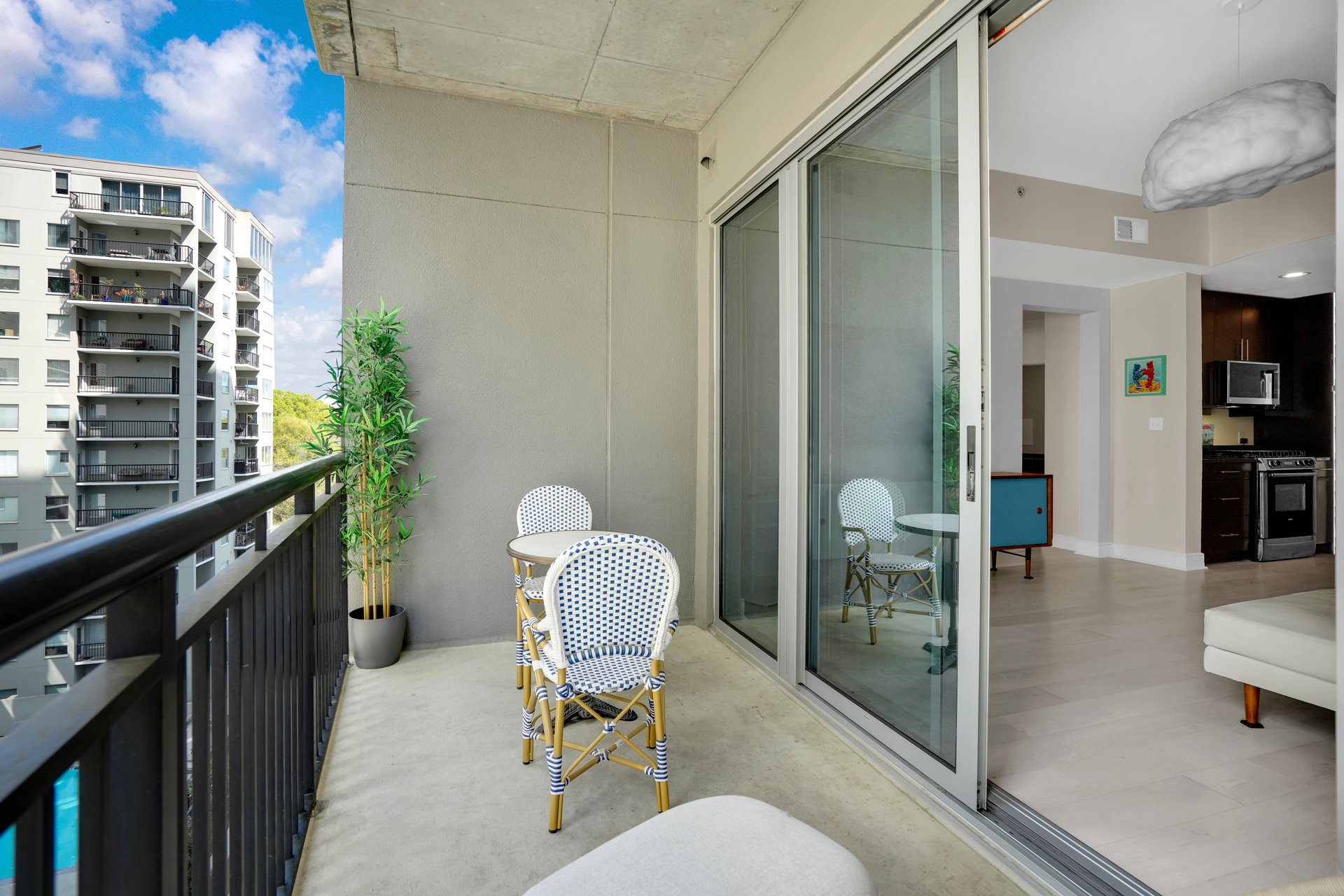
222 12th Street NE, Unit 801 at Luxe Condominiums was one of them.
And the residence closed for 95% of its original list price, while comparable sales averaged only 91%. It sold in 85 total days on market, compared with an average of 128 days for the other homes in this area - if they sold at all. That was 43 days sooner, or approximately 34% fewer days on market.
Those numbers are important, but they only tell part of the story.
Behind this sale was a series of strategic decisions about marketing, presentation, pricing, negotiation, and a disputed home inspection finding that could have cost the seller thousands of dollars or derailed the transaction entirely.
The Seller Chose REALTOR Judy Jernigan After Watching Her Marketing
Many of Judy Jernigan’s clients are introduced to her by past clients who refer their friends, relatives, neighbors, and colleagues. This seller found Judy another way.
She had been watching Judy’s marketing for another residence at Luxe Condominiums. She saw how thoughtfully the property was positioned and presented, and she was impressed enough to call Judy when she began considering her own sale.
What caught the seller’s attention was more than an advertisement.
Advertising puts a listing in front of people. Marketing determines what they see, what they remember, and why the home matters to the right buyer.
The seller had watched Judy turn the features and lifestyle of another Luxe residence into a complete story. She saw the professional presentation, property-specific content, community outreach, and sustained visibility. She hired Judy with the expectation that her own home would receive the same level of strategic attention.
That decision proved valuable long after the photography was complete and the home was listed.

Not Every Home Should Be Neutralized
Residence 801 was cheerful, feminine, and full of personality.
It had yellow walls, colorful artwork, and a whimsical cloud chandelier. The seller had also invested in beautiful wide-plank white oak floors recently installed, bringing warmth and light into the entire residence.
Generic real estate advice might have told her to paint every wall neutral, remove the colorful art, replace the chandelier, and make the condo resemble every other listing on the market. Judy did not believe that was the right strategy for this home.
The goal of marketing is not to make every property look the same. It is to understand the home, understand the competition - which in this case was fierce - identify the likely buyer, and create a presentation that gives that buyer a reason to remember it.
Instead of erasing the condo’s personality, Judy and the seller preserved the elements that made it cheerful and distinctive. Professional photography highlighted the natural light, the new floors, and the relationship between the colorful decor and the home’s upbeat atmosphere. The marketing copy also focused on how the residence actually felt to live in, from its quieter position within the building to its proximity to Piedmont Park and Midtown restaurants.
That lifestyle story became part of the listing campaign through the property page and a separate feature, From Quiet Mornings to Midtown Nights - A Day in the Life at Luxe Condominiums Residence 801.
No one can know whether the yellow walls, the art, the chandelier, or the new flooring ultimately tipped the buyer’s decision. What is clear is that the buyer selected this residence from a crowded field of Midtown condos.
The home did not sell despite its personality. Its personality helped make it memorable.
For more on how presentation shapes buyer perception, read Why presentation matters when selling a Buckhead estate. For more on photography, read Why professional photography matters for Brookhaven listings.
This is the type of judgment other sellers have valued in Judy’s representation:
“Judy is a caring, hardworking, and knowledgeable agent. She knows what she is doing and is willing to work hard to get your property sold.”
Jiraporn K.
Homeowners who are unsure what to update, what to keep, or how to make their home stand out can contact Judy and the Sage & Grace team before spending money on changes that may not improve the final result.
If you are preparing to sell, start with the Pre-listing Home Seller’s Guide.

The Data Helped the Seller Recognize the Right Offer
After 85 days on the market, the seller received a cash offer. As a certified Strategic Negotiation Specialist with extensive real-world experience, Judy returned to the data before advising her client on the next step.
Her analysis of comparable Midtown condos in this price range showed that only eight properties sold during the month Residence 801 closed, while 23 remained active. That represented approximately three months of inventory and meant that nearly three out of every four properties in the competitive set had not secured a buyer.
The comparable sales were taking an average of 128 total days to sell and closing at an average of 91% of their original asking prices. Through careful negotiation, Judy brought the cash offer to terms that positioned Residence 801 to outperform both benchmarks.
Judy and the seller reviewed the active competition, the pace of buyer activity, the home’s time on market, and the strength of the negotiated offer. Based on the complete picture, they made the informed decision to reach an agreement with the buyer.
The market validated that decision almost immediately. Shortly after the seller accepted the offer, another extremely similar residence reduced its asking price to $5,000 below the price this seller had already secured.
Holding out for an imagined future buyer could have placed Residence 801 behind that competing unit while exposing the seller to additional carrying costs, uncertainty, and market time. Instead, she had a qualified cash buyer under contract at a price that was stronger than the market average.
The home ultimately closed at 95% of its original list price, compared with an average of 91% for comparable sales. It also sold with 34% fewer days on market than the competition.
This was not simply a matter of accepting an offer. It was the result of negotiating strategically, evaluating the offer against real-time market conditions, and recognizing the right opportunity before the market moved in the other direction.
For more on pricing discipline, read Why Starting Too High Can Hurt Your Home Sale. For more on seller strategy, read the Real Estate Selling Strategy Guide.
Homeowners who would like to understand their current starting point can request a home valuation. Those who already have a specific number that would make them consider selling can visit What’s Your Price?.
Then an Incorrect Inspection Conclusion Threatened the Sale
Finding the buyer was not the final challenge. It never is.
During the home inspection, the inspector reported that the heating system was not working. Based on that conclusion, the buyer demanded that the seller repair or replace the heat.
Judy immediately recognized that something did not add up.
She had attended an extensive number of home inspections throughout her real estate career and had heard numerous inspectors explain that a heat pump generally should not be switched into heating mode during very hot weather. Attempting that test under unsuitable outdoor conditions may not provide a reliable indication of heating performance and can risk stressing the equipment.
This inspection had taken place on an approximately 87-degree day after the system had been running in cooling mode.
Judy did not claim to be an HVAC technician or attempt to diagnose the equipment herself. Her experience told her that the testing conditions and the inspector’s conclusion deserved much closer scrutiny before her client agreed to pay for a repair or replacement.
Instead of simply forwarding the demand to the seller, Judy began investigating.
For more on the inspection phase, read What to expect during due diligence in Buckhead-Atlanta and What to expect after accepting an offer in Brookhaven-Atlanta.

Judy and Her Seller Worked as a Team
The seller maintained the HVAC system under a twice-yearly professional service plan and had records documenting its history. Judy reviewed those records and found that the heating system had been professionally tested during its most recent heating service and confirmed to be operating properly.
The seller also had remote access to her Nest thermostat. She was smart enough to review its history, capture screenshots, and send them to Judy.
Those screenshots established an exact timeline.
At 10:37 a.m., the thermostat was changed from 68-degree cooling to 78-degree heating. At 10:41 a.m., it was returned to 68-degree cooling.
The system was given only approximately four minutes to move from cooling into heating before the inspector concluded that the heat did not work.
The seller’s records and remote thermostat access became critical evidence. Judy brought the inspection experience and knew which questions to ask. Her client had maintained the system carefully, preserved the service documentation, and found the digital information that showed exactly what had happened. Together, they built a much more complete account than the inspection report provided.
Judy Contacted the HVAC Company and the Inspector Directly
Judy then contacted the heating and air company that had professionally maintained the system.
They confirmed that the heating test should not have been attempted under those hot weather conditions and that the inspection report should be updated. Its service records also supported the seller’s position that the heating system had been operating properly.
Judy next called the home inspector directly.
During their conversation, the inspector acknowledged that he was uncertain about the type of HVAC equipment he had inspected, stating, “I can’t tell if it was an electric heat pump.”
He then admitted, “If it was a heat pump, then I probably shouldn’t have tested it.”
The inspector apologized during the conversation and said he wanted to discuss the matter with his supervisor. Judy followed up in writing with the inspector and the inspection company so that her questions, the testing conditions, and the conflicting information were documented.
She did not stop after making one telephone call.
Judy reviewed the report, examined the service history, studied the Nest screenshots, spoke with Breezeway, called the inspector, emailed the inspector and inspection company, and then organized the evidence into a detailed response for the buyer’s agent and buyer.
The Buyer Received Better Information and the Seller Was Protected
Judy’s response was not intended to dismiss the buyer’s concern. It was intended to correct mistaken information, protect her seller from an unsupported demand, and give the buyer enough verified information to make an informed decision - and have peace of mind.
That distinction mattered.
The buyer’s agent responded that the buyer was happy, impressed with how well the seller had maintained the home, and ready to move forward based on the seller’s assurance that the HVAC was working.
The result protected both sides.
The buyer gained confidence from the service history, thermostat records, and complete explanation. The seller avoided the expense of an unnecessary inspection, repair or replacement, along with the time, inconvenience, uncertainty, and potential closing delay that could have followed.
Most importantly, a mistaken inspection conclusion did not derail an otherwise successful sale.
Judy did not resolve the issue because she is an HVAC technician. She resolved it because years of attending inspections had taught her when something did not make sense, what questions to ask, what documentation to gather, and which experts to involve before asking her seller client to spend money unnecessarily.
That is what it means to serve as a seller’s ally and advocate.
Sage advice meant recognizing that the inspection conclusion was not supported by the circumstances. Gracious service meant correcting the information professionally, documenting the facts, and giving the buyer peace of mind without turning the disagreement into a fight.
For more on why transparency matters during a sale, read Why The Agency Atlanta emphasizes transparency in every sale.
As another client shared:
“Judy did a great job clarifying questions for us and made everything easier to understand.”
Paras Shah
This Was Not the First Time Judy Corrected a Faulty Repair Demand
The HVAC dispute at Luxe was not an isolated example.
In the Client Success Story for 450 Canterbury Road, a buyer submitted a repair request totaling approximately $4,000 and attached screenshots from the inspection report. Judy read the supporting material closely and discovered that the screenshots did not match the request. The inspector had actually reported that the disputed items were functioning properly.
Judy, the seller’s agent, organized a conference call with the buyer’s inspector and the buyer’s agent, clarified the findings, and reduced her seller’s repair responsibility from approximately $4,000 to about $200.
In both transactions, Judy protected her seller by doing more than forwarding paperwork between the parties. She read closely, recognized inconsistent information, contacted the professionals involved, and worked until the facts were understood.
For a deeper discussion of how inspections affect sellers, listen to Judy’s Podcast: Pre-Listing Inspection Tips for Atlanta Sellers, featuring experienced Atlanta home inspectors. For more on presentation and the details that influence buyer reactions, listen to Podcast: What Buyers Wish Sellers Knew Before Showings.

What This Midtown Condo Sale Demonstrates
The successful sale of Residence 801 did not come from one photograph, one advertisement, one negotiation, or one lucky break.
It came from a sequence of informed decisions. As with any sale, there are so many decisions that will either put money in your pocket or take it out.
Judy recognized that the condo’s cheerful personality could be a marketing asset rather than something that needed to be painted away. She and the seller presented the new floors, natural light, artwork, chandelier, and Midtown lifestyle in a way that made the residence memorable.
When an offer arrived, Judy helped her client evaluate it against current competition rather than an imagined future result. The decision was validated when another similar residence reduced its price below the seller’s accepted offer.
When an incorrect inspection conclusion threatened the transaction, Judy did not tell her seller to give in or leave her to solve it alone. She investigated, documented, contacted the appropriate professionals, educated the other parties, and protected her client’s money and time.
The home became one of only eight comparable sales during its closing-month market snapshot. It sold at 95% of its original price while the comparable average was 91%, and it closed 43 days sooner than the average competition.
The seller first called Judy because she was impressed by her marketing for another home in the building. By closing, she had experienced the full value of Judy’s representation: strategic marketing, disciplined advice, detailed contract management, and tenacious advocacy when something important did not add up.
That is Sage Advice. Gracious Service.
For more seller success stories, visit Sage & Grace Realty Group case studies.
When You Are Thinking of Moving
When you are thinking of moving and want a strategy built around your home, your priorities, and the realities of the current market, contact Judy Jernigan and Sage & Grace Realty Group.
You can also request a personalized home valuation or tell Judy the number that would make you consider a move through What’s Your Price?.


