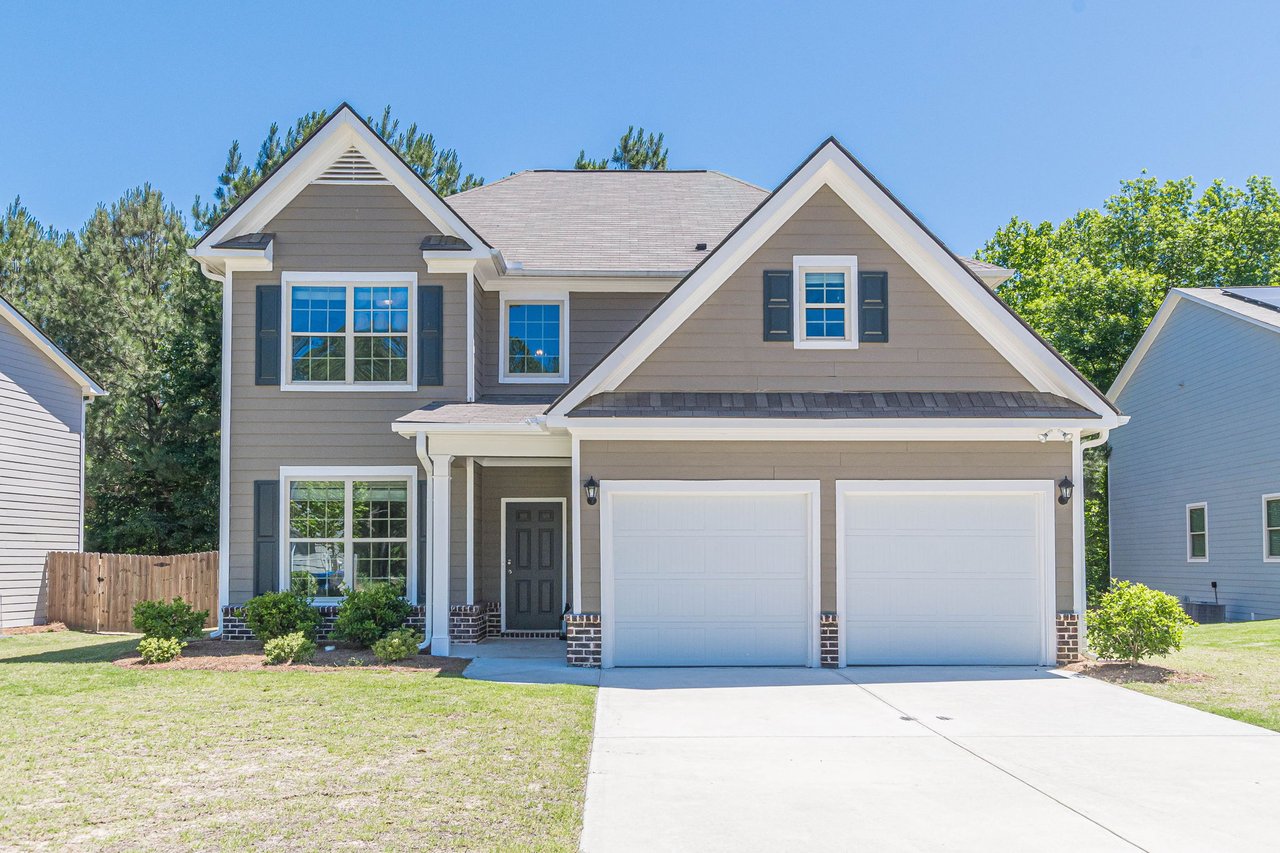

When past clients called Judy Jernigan to sell the home she had helped them purchase a few years earlier, they had an important goal: sell successfully, and do it on a relatively tight timeline so they could move forward with their next home.
This was not a market where simply putting a home on the MLS and waiting was likely to accomplish that.
At the time Judy prepared the home for market, properties between $600,000 and $699,000 in the surrounding ZIP code were averaging 77 days on market before going under contract. Buyers had more choices, homes were taking longer to sell, and pricing correctly mattered.
The sellers' home ultimately went under contract in 16 days and closed for $675,000.
A CMA Was the Starting Point, Not the End
Judy sees an important part of her job as being her clients' eyes and ears in the real estate market.
Before this home went on the market, she spent hours studying comparable sales, active competition, withdrawn listings, and neighborhood trends. But she did not stop when the initial pricing analysis was finished.
Real estate markets move every day.
New listings come on the market. Prices change. Homes go under contract. Sales close. And sometimes the most useful information is not in the MLS at all.
So Judy kept digging.
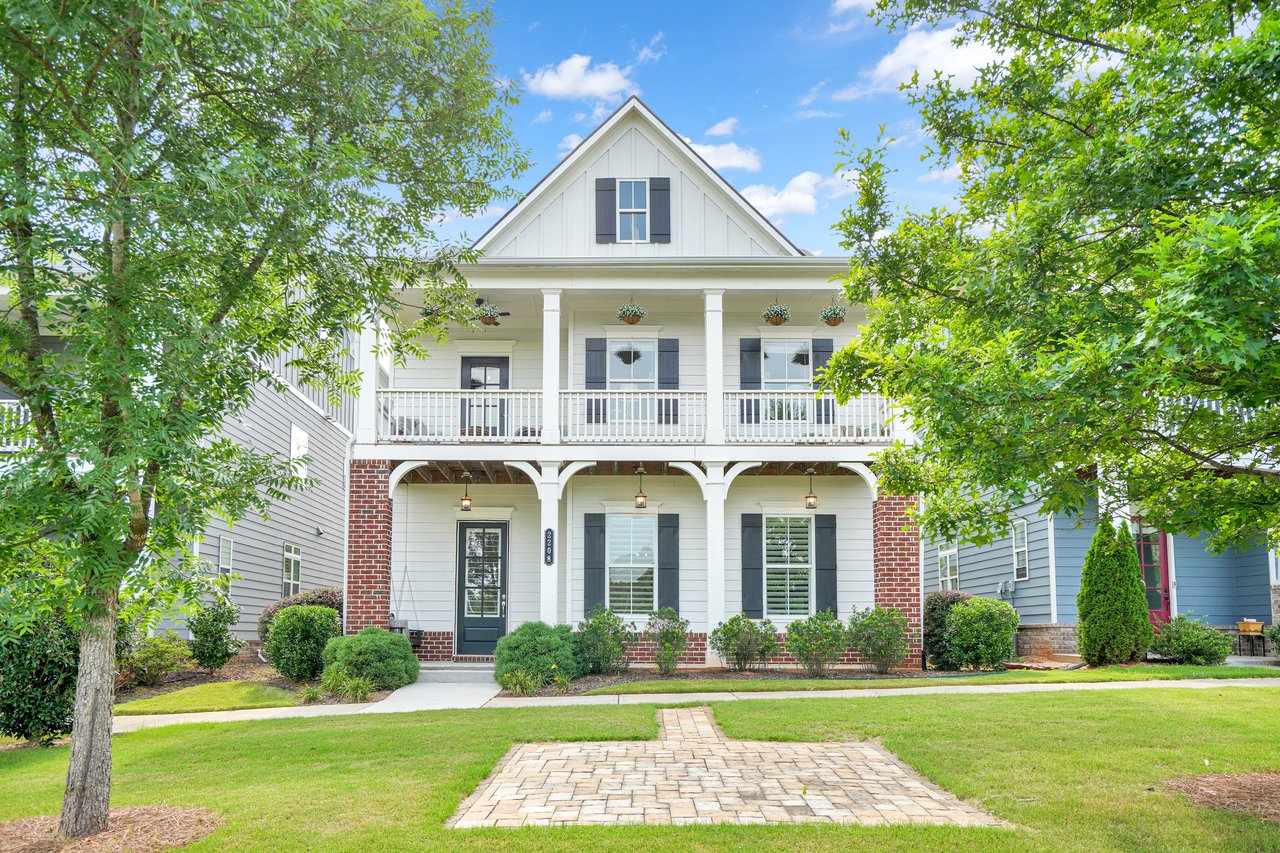
When a particularly relevant neighborhood home on Pierce Avenue went under contract shortly before launch, Judy called the agents involved. She learned that the home was expected to close for $650,000, had appraised for $655,000, and had generated multiple offers after the sellers strategically lowered their asking price. That was valuable new information for determining where buyers were actually placing value in the neighborhood.
For more on pricing strategy, read Why Starting Too High Can Hurt Your Home Sale.
Not Every New Listing Is a New Comparable
Another home in the neighborhood was on the market at $724,900.
It would have been easy to look at that price and conclude that values had suddenly moved higher.
Judy did not.
She called the listing agent and asked how the market was responding. His answer: showing activity had been “very, very slow.”
She also asked how the price had been determined. The agent explained that the seller wanted to list higher and that they were using price-per-square-foot comparisons to sales from the previous several years to support the number.
Judy went back to her sellers and explained why she did not believe that reasoning should change their strategy, and why their pricing logic was flawed. Older sales reflected different market conditions, the competing home's features were different, below-grade square footage is valued differently, and most importantly, buyers were already giving that listing an answer by largely not touring it.
That distinction matters.
An asking price tells you what a seller hopes to receive. A closed sale tells you what a buyer was actually willing to pay. Showing activity, offers, appraisals, and conversations with the agents involved can tell you even more.
For more on market interpretation, read Should you price just below a round number in Brookhaven’s luxury market?.
Marketing Hard and Fast
These sellers did not have unlimited time.
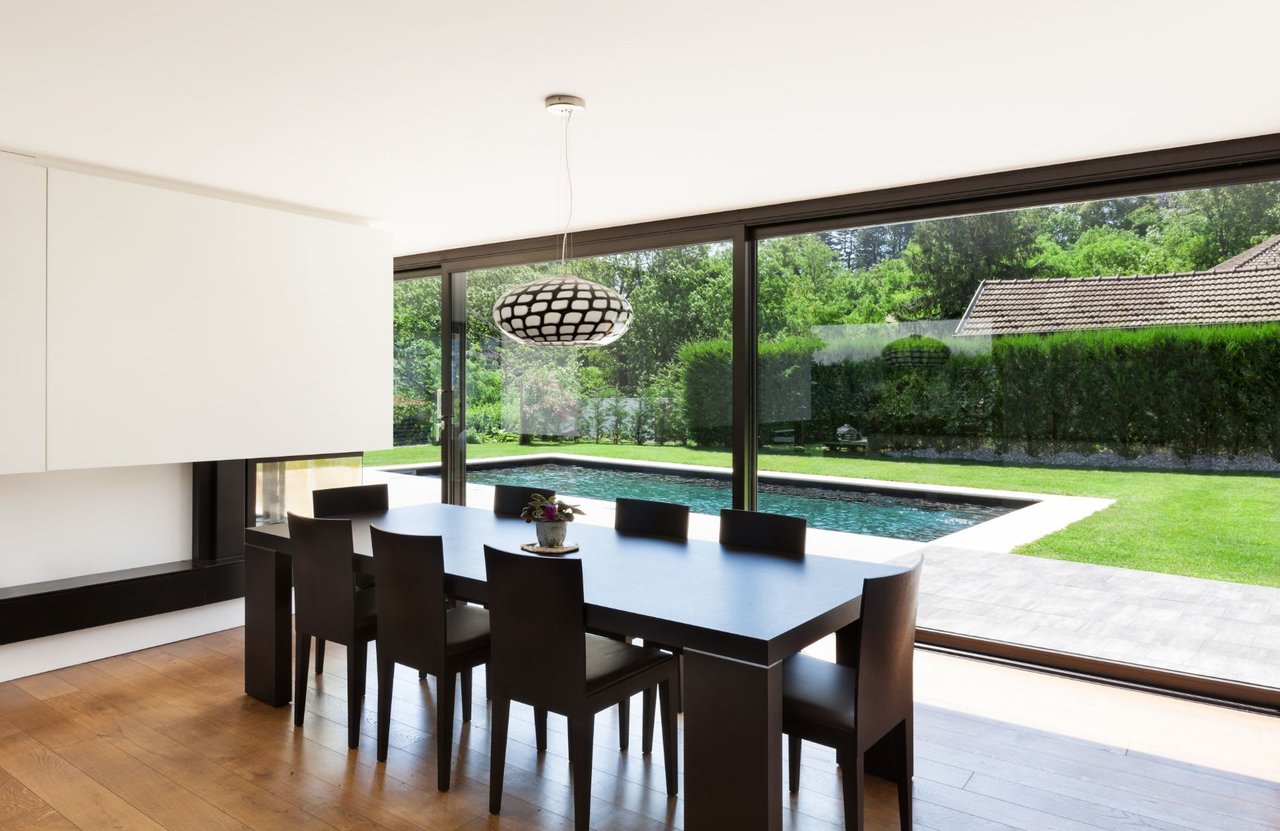
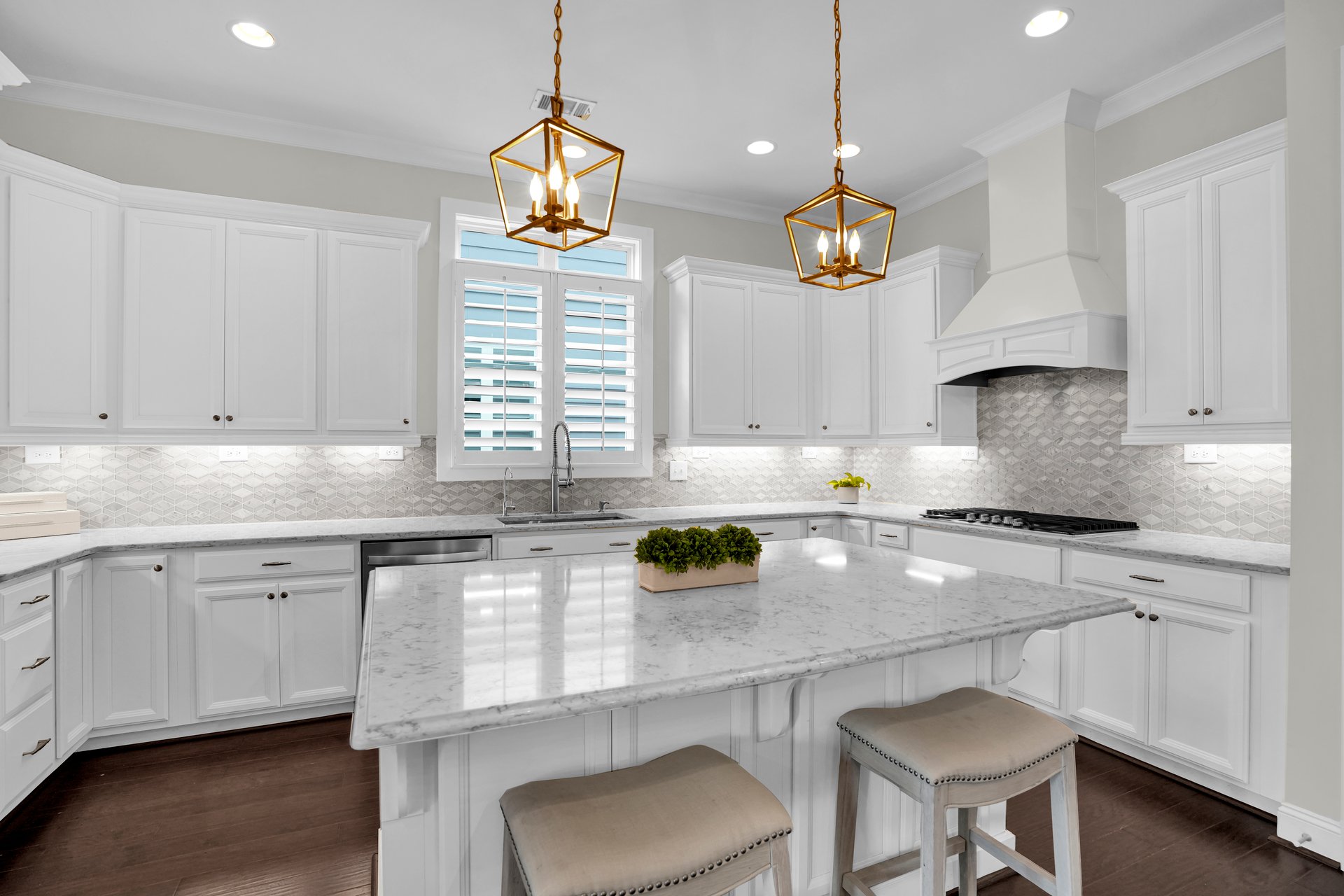
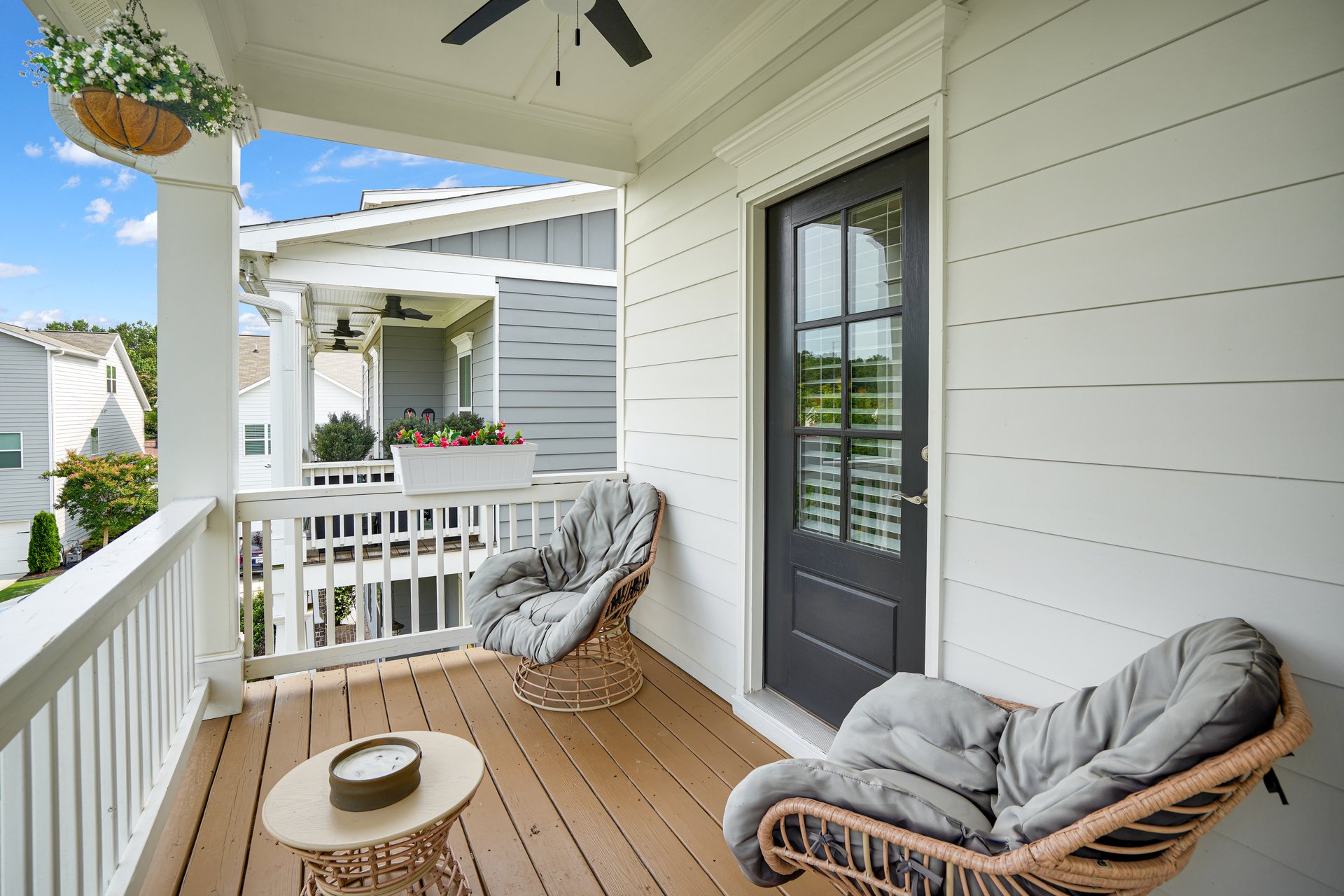
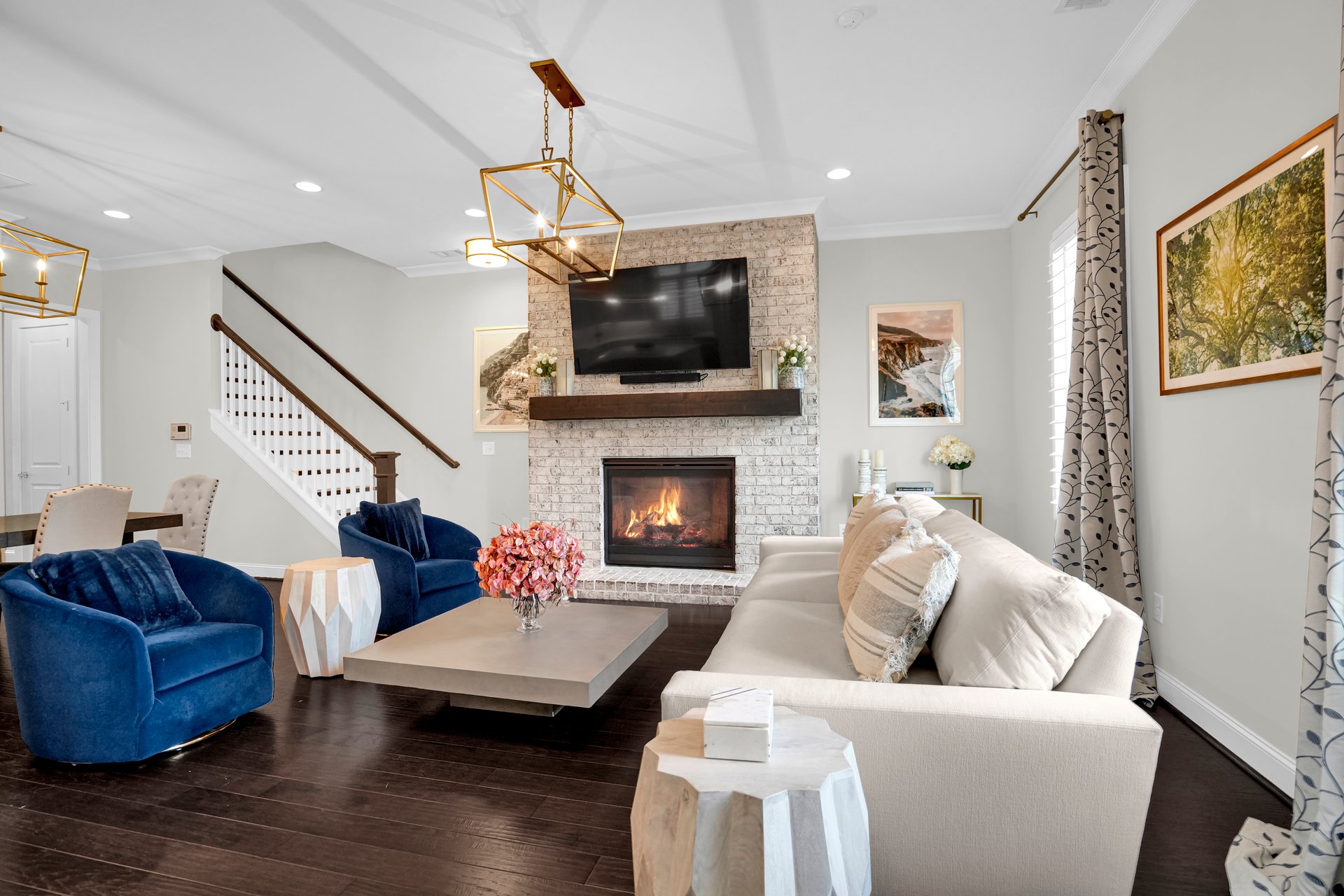
Judy built the launch around creating as much exposure and momentum as possible while the listing was new, positioning the home's strongest differentiators, including its upgraded finishes, pond-facing setting, water views, size, and overall presentation.
The strategy produced multiple offers.
The first opportunity, however, was not strong enough. Rather than recommending that her sellers accept an offer simply because they wanted to move quickly, Judy continued working the market and held out for terms that better reflected the home's value.
A stronger buyer emerged.
The home went under contract in 16 days and ultimately closed for $675,000, at the very top of the $665,000 to $675,000 range Judy's updated comparable-sales analysis had supported before the home launched.
16 days versus a 77-day market average.
And while other neighborhood homes were still waiting for buyers, Judy's clients were able to close their sale and, four days later, close on their next home.
For more on creating market momentum, read Case Study: What to Fix, What to Skip, and Why the First Days of a Home Sale Matter.
Representation Does Not Stop When the Home Goes Under Contract
Getting an offer was only part of the job.
When the buyers negotiated repairs during the contract period, Judy helped her sellers evaluate the requests and connected them with trusted plumbing and HVAC professionals who could complete the agreed-upon work at reasonable prices.
The objective was not simply to get the home under contract. It was to get it all the way to the closing table while protecting the sellers' money, timeline, and next move.
For more on inspection and repair strategy, read What to expect during home inspections in Brookhaven luxury sales.
The Result
- Listed: $695,000
- Closed: $675,000
- Time to contract: 16 days
- Market average in the price range: 77 days
- Offers received: Multiple
- Next-home closing: 4 days after the sale
A successful home sale is not always about selling over asking price or creating a bidding war.
Sometimes success looks like understanding a changing market better than the competition, knowing which information actually matters, marketing aggressively when timing is important, refusing an offer that does not make sense, and ultimately getting the sellers where they need to go.
That is what happened here.
For more seller strategy, visit the Real Estate Selling Strategy Guide or the Pre-Listing Home Seller’s Guide.

Thinking About Selling on a Timeline?
When you need to sell and move forward with your next home, pricing and marketing need to work together. The right strategy should evaluate current competition, buyer behavior, market data, timing, offer strength, due diligence risk, and the path to closing.
Judy Jernigan and Sage & Grace Realty Group help sellers make informed decisions before the home goes live and keep the transaction moving once the right buyer appears.
Contact us to start building your selling strategy.