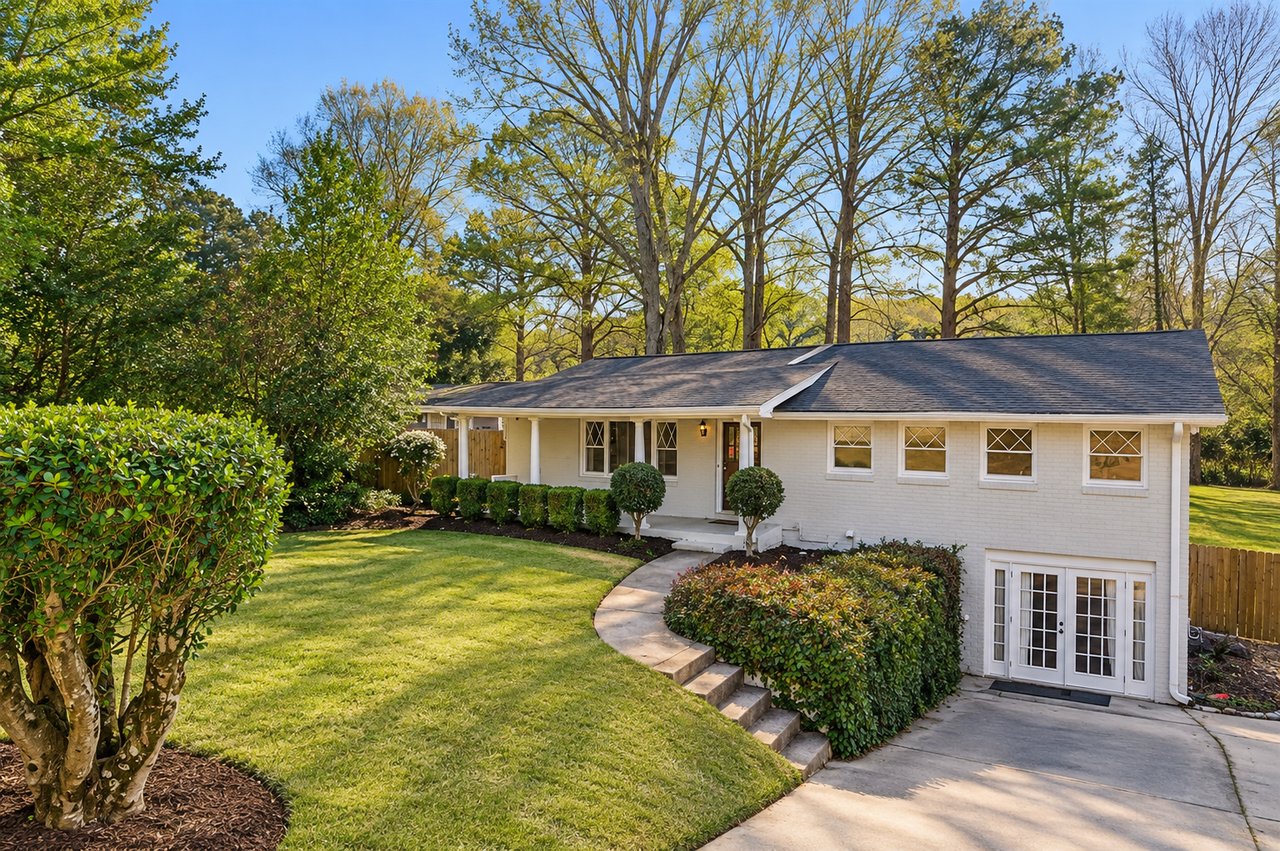
Should a Brookhaven seller accept an offer that depends on something else happening first?
If you are thinking, “I need to sell my home,” you may hear the phrase “contingent offer” when reviewing buyer offers. In Brookhaven, Buckhead, Sandy Springs, Chamblee, Dunwoody, and North Atlanta, a contingent offer can be perfectly workable, or it can add meaningful risk. The important question is not only whether the offer is contingent. The question is what the contingency is, how long it lasts, how likely it is to be satisfied, and how it affects your path to closing.
The short answer: a contingent offer depends on a specific condition being satisfied
A contingent offer is an offer to purchase a home that depends on one or more conditions being met.
Those conditions may relate to:
- Buyer financing
- Home inspection or due diligence
- Appraisal
- Title review
- Condo or HOA document review
- The buyer selling another home
- The buyer closing on another home
- Repairs, documents, or other contract-specific terms
For sellers, contingencies matter because they may give the buyer a way to terminate, renegotiate, delay, or avoid closing if the condition is not satisfied under the contract terms.
Judy Jernigan, Sage and Grace Realty Group, and The Agency Atlanta help Brookhaven sellers evaluate contingencies as part of the full offer, not as a single yes-or-no issue.
Contingent does not always mean weak
Many real estate contracts include contingencies.
A financed buyer may have a financing contingency. A buyer may have an inspection or due diligence period. A buyer may have appraisal language. A condo buyer may need time to review association documents. These are normal parts of many transactions.
A contingent offer becomes more concerning when the contingency creates uncertainty that is outside the seller’s control.
For example:
- A buyer whose financing is not fully reviewed may carry more risk.
- A buyer who must sell a home that is not yet listed may carry more risk.
- A buyer who needs a long due diligence period may carry more risk.
- A buyer with a short timeline, strong lender, and clear path to closing may be more reliable.
The details matter.
Common contingencies Brookhaven sellers may see
Brookhaven sellers may see several types of contingencies in offers.
Common contingencies include:
- Due diligence or inspection contingency: The buyer has a negotiated period to inspect and evaluate the property.
- Financing contingency: The buyer’s obligation to close may depend on obtaining loan approval under the contract terms.
- Appraisal contingency: The buyer or lender may need the property to appraise at or near the contract price.
- Home-sale contingency: The buyer needs to sell another property before completing the purchase.
- Home-close contingency: The buyer already has another property under contract and needs that sale to close.
- Title contingency: The buyer needs acceptable title before closing.
- HOA or condo document contingency: The buyer needs time to review association documents, rules, fees, restrictions, or financial information.
Each contingency should be reviewed for deadline, risk, buyer strength, and how it affects the seller’s goals.
Home-sale contingency versus home-close contingency
One of the most important distinctions is whether the buyer needs to sell a home or close on a home.
A home-sale contingency usually means the buyer must sell another property before moving forward. If that home is not yet under contract, the seller is relying on another sale that may or may not happen.
A home-close contingency often means the buyer’s current home is already under contract, and the buyer needs that transaction to close before buying the next property. This may still carry risk, but it can be more predictable than a buyer who has not yet secured a buyer for their current home.
Sellers should ask:
- Is the buyer’s current home listed?
- Is it under contract?
- Has due diligence passed?
- Is the buyer’s buyer using financing?
- Has appraisal been completed?
- When is that closing scheduled?
- What happens if that closing is delayed?
For more on offer review, read Tips from Sage and Grace Realty Group on managing multiple offers.
Why contingent offers can be attractive
A contingent offer is not always a bad offer.
It may be attractive when the buyer is strong, the price is compelling, the terms are clean, and the contingency is narrow, short, and realistic.
A contingent offer may be worth considering when:
- The buyer is highly motivated
- The buyer’s current home is already under contract
- The buyer’s financing is strong
- The offer price and net proceeds are compelling
- The due diligence period is reasonable
- The closing timeline works for the seller
- The seller has fewer competing offers
- The contingency has clear deadlines
- The seller has a backup-offer strategy
The right contingent offer may still help a seller reach a successful closing.
Why contingent offers can be risky
A contingent offer can create uncertainty.
The seller may take the home off the market or reduce marketing momentum while waiting for the buyer to satisfy a condition. If the buyer cannot satisfy the contingency, the seller may need to relaunch the listing or return to other buyers.
Risks may include:
- The buyer’s home does not sell
- The buyer’s buyer terminates
- The buyer’s financing fails
- The buyer’s appraisal creates a problem
- The buyer asks for more time
- The buyer uses the contingency to renegotiate
- The seller loses momentum with other buyers
- The seller’s own purchase or moving timeline is affected
Sellers should compare the benefit of the offer against the risk of delay or termination.
How a contingency affects the seller’s leverage
Contingencies affect leverage because they affect certainty.
A clean cash offer with short due diligence and no financing contingency may carry less risk than a higher offer with multiple contingencies. A financed offer with strong lender review may be more reliable than a higher offer from a buyer who has not been fully vetted. A home-sale contingency may be acceptable in one market and too risky in another.
When comparing offers, sellers should weigh:
- Price
- Estimated net proceeds
- Financing strength
- Contingency type
- Contingency deadline
- Due diligence period
- Earnest money
- Closing date
- Seller concessions
- Buyer brokerage compensation requests when applicable
- Likelihood of closing
For more on concessions and net proceeds, read What are seller concessions, and should you offer them in Buckhead?.
What sellers should ask before accepting a contingent offer
Before accepting a contingent offer, sellers should ask detailed questions.
- What exactly is the offer contingent on?
- How long does the contingency last?
- What must happen for the contingency to be satisfied?
- What proof will the buyer provide?
- Can the seller continue showing the property?
- Can the seller accept a backup offer?
- What happens if another buyer appears?
- What happens if the buyer misses the deadline?
- How much earnest money is at risk?
- Does the timeline support the seller’s next move?
The answers should be clear before the seller signs.
What is a kick-out clause?
A kick-out clause is a contract provision that may allow the seller to continue marketing the property and require the contingent buyer to remove certain contingencies or step aside if the seller receives another acceptable offer.
This type of clause is often discussed with home-sale contingencies, but the exact wording matters. Sellers should not assume they can automatically accept another offer after signing a contingent contract.
A kick-out clause may address:
- Whether the seller can continue showing the home
- What happens when another acceptable offer arrives
- How much notice the first buyer receives
- What the first buyer must do to keep the contract
- Whether the first buyer must remove contingencies
- Whether additional earnest money is required
- How termination or release is handled
Legal questions about kick-out clauses, contingency removal, notice, and remedies should be reviewed with a Georgia real estate attorney.
Can a seller keep showing the home after accepting a contingent offer?
Sometimes, but it depends on the contract, MLS status rules, brokerage policy, and seller instructions.
NAR’s contingency guidance notes that when sellers accept an offer with a home-sale or home-close contingency, they may continue to show the property. However, the seller’s actual rights depend on the signed agreement and applicable rules.
If continued showings are important, sellers should address that before accepting the offer.
Sellers should clarify:
- What status will appear in the MLS?
- Will showings continue?
- Will backup offers be encouraged?
- How will buyer agents be told about the contingency?
- What happens if a stronger offer appears?
For more on backup-offer strategy, read Tips from Sage and Grace Realty Group on managing multiple offers.
How contingent offers appear online
Once a seller accepts an offer, the listing status may change depending on the MLS rules, brokerage practice, and contract details.
Buyers may see statuses such as active under contract, contingent, pending, or similar wording depending on the platform. These terms can be confusing because public websites may display MLS information differently.
For sellers, the practical issue is how the status affects buyer perception.
A property marked contingent may still attract backup interest, but some buyers may move on because they assume the home is no longer available. That is why seller strategy, MLS status, and communication with buyer agents matter.
Contingent offers and due diligence
In Georgia, due diligence can be one of the most important parts of the offer.
A buyer may have a negotiated due diligence period to inspect, evaluate, and decide whether to move forward under the terms of the contract. During that time, the buyer may ask for repairs, credits, extensions, or other changes.
A contingent offer with a long due diligence period may create more uncertainty for the seller.
Sellers should review:
- How long due diligence lasts
- Whether inspections are already scheduled
- Whether the buyer has reviewed disclosures
- Whether HOA or condo documents are needed
- Whether repair expectations are realistic
- Whether another contingency extends the risk period
For more on inspections, read What to expect during home inspections in Brookhaven luxury sales.
Contingent offers and financing
A financing contingency gives the buyer certain protections if they cannot obtain loan approval under the contract terms.
Financing risk can vary widely. A buyer with a strong local lender, complete documentation, verified funds, and underwriting progress may look very different from a buyer with a basic prequalification letter.
Sellers should ask:
- Is the buyer prequalified, preapproved, or underwritten?
- Has the lender reviewed income, assets, and credit?
- What is the down payment?
- What loan type is involved?
- How long is the financing contingency?
- Has the lender discussed appraisal risk?
- Can the lender meet the closing timeline?
Mortgage questions should be reviewed with a licensed lender.
Contingent offers and appraisal
An appraisal contingency or appraisal issue can matter when the offer price is aggressive.
If the buyer is using financing, the lender may require an appraisal. If the appraisal comes in below the contract price, the buyer and seller may need to address the gap depending on the contract terms.
Sellers should consider:
- Does the offer price have comparable-sale support?
- Does the buyer have an appraisal contingency?
- Has the buyer offered appraisal-gap protection?
- Does the buyer have cash to cover a gap?
- Is the price high enough to justify the added risk?
Appraisal questions should be reviewed with a licensed appraiser. Loan approval questions should be reviewed with the buyer’s lender.
Contingent offers and condo or HOA documents
For Brookhaven condos, townhomes, and association-governed homes, document review can become part of the contingency picture.
A buyer may need time to review:
- Condominium declaration
- Bylaws
- Rules and regulations
- Budget
- Reserve information
- Insurance information
- Rental restrictions
- Pet policies
- Association fees
- Special assessments
- Parking and storage details
For more on condo resale documents, read Understanding condo resale packages in Buckhead-Atlanta.
Should Brookhaven sellers accept a contingent offer?
Sometimes, yes.
A Brookhaven seller may accept a contingent offer when the buyer is strong, the contingency is limited, the offer is financially compelling, and the timeline supports the seller’s goals.
A seller may be more cautious when:
- The buyer’s current home is not listed
- The buyer’s home is listed but not under contract
- The buyer has weak financing
- The buyer asks for a long contingency period
- The buyer wants extensive seller concessions
- The buyer has a long due diligence period
- The seller needs a reliable closing date
- There are other cleaner offers available
The decision should be based on the entire offer, the seller’s priorities, and the current market response.
How to compare a contingent offer against a non-contingent offer
A contingent offer may need to be stronger in other ways to justify the added uncertainty.
When comparing offers, sellers should look at:
- Price difference
- Estimated net proceeds
- Contingency type
- Contingency deadline
- Financing strength
- Due diligence period
- Appraisal risk
- Earnest money
- Seller concessions
- Closing date
- Possession terms
- Backup-offer potential
A lower non-contingent offer may sometimes be stronger than a higher contingent offer if it provides better certainty, timing, and net proceeds.
How sellers can reduce risk when considering a contingent offer
Sellers may be able to reduce risk through contract terms and careful review.
Possible risk-reduction strategies may include:
- Requesting documentation about the buyer’s current home
- Confirming whether the buyer’s home is listed or under contract
- Reviewing the buyer’s financing strength
- Shortening contingency deadlines when appropriate
- Requiring stronger earnest money
- Using a kick-out clause when legally appropriate
- Continuing showings when allowed
- Negotiating a backup offer
- Setting clear deadlines for inspections, financing, and closing
These strategies should be reviewed with the listing broker and, when legal interpretation is needed, a Georgia real estate attorney.
Contingent offers in a multiple-offer situation
In a multiple-offer situation, a contingency becomes one of several risk factors.
A seller may receive one offer with the highest price but a home-sale contingency and another offer with a slightly lower price but no home-sale contingency. The right answer depends on the seller’s net, timing, confidence, and tolerance for risk.
Sellers should avoid choosing based only on emotion or the largest number.
For more on this topic, read When to counter vs. accept in Brookhaven multiple-offer scenarios.
Contingent offers and seller concessions
Sometimes a buyer asks for both a contingency and seller concessions.
That does not automatically make the offer unacceptable, but it does mean the seller should evaluate the full risk and net effect.
A contingent offer with concessions should be reviewed for:
- Why the concession is being requested
- Whether the concession solves a real problem
- How the concession affects seller net proceeds
- Whether the buyer’s financing allows the concession
- Whether the contingency and concession together create too much risk
- Whether another buyer offers cleaner terms
For more detail, read What are seller concessions, and should you offer them in Buckhead?.
How Judy Jernigan evaluates contingent offers
Judy Jernigan evaluates contingent offers through the lens of seller risk, net proceeds, timing, and likelihood of closing.
That means asking:
- What is the contingency?
- How long does it last?
- What must happen for it to be removed?
- How strong is the buyer?
- How strong is the buyer’s lender?
- Is another property involved?
- How likely is that property to close?
- What is the seller’s backup plan?
- Does the offer price justify the risk?
- Does the timeline support the seller’s next move?
The Real Estate Selling Strategy Guide can help sellers understand how contingencies fit into pricing, offer review, negotiation, and closing strategy.
How Sage and Grace Realty Group helps sellers respond
Sage and Grace Realty Group helps sellers respond to contingent offers with structure.
That may include:
- Comparing the contingent offer against other options
- Requesting more information from the buyer’s agent
- Clarifying the buyer’s financing position
- Evaluating the buyer’s current property status
- Shortening contingency timeframes when appropriate
- Countering with stronger seller protections
- Considering backup-offer strategy
- Keeping communication professional and documented
The goal is to help the seller make a decision based on facts, not pressure.
How The Agency Atlanta platform supports offer strategy
The Agency Atlanta’s platform can support strong marketing, buyer reach, digital presentation, and luxury positioning, but offer strategy still depends on careful analysis.
A well-marketed Brookhaven listing may create stronger buyer demand, which can give sellers more leverage when evaluating contingencies. But even in a strong position, the seller should still understand the contract risk before accepting.
For more on premium seller preparation, read What a premium listing presentation includes in Buckhead-Atlanta.
Case studies show why offer terms matter
The strongest seller strategy looks beyond the contract price.
In Tips from Sage and Grace Realty Group on managing multiple offers, the core lesson is that sellers should compare price, terms, risk, timing, and net proceeds before choosing an offer.
In Case Study: What to Fix, What to Skip, and Why the First Days of a Home Sale Matter, Judy helped sellers create early buyer demand and protect the sale with an above-list backup contract after the first buyer terminated.
In Case Study: The Condo We Did Not Neutralize and the HVAC Repair It Did Not Need, Judy questioned an unsupported inspection concern rather than allowing the seller to absorb an unnecessary cost.
These examples show why seller protection often depends on reviewing the entire offer, not only the purchase price.
“Judy is a caring, hardworking, and knowledgeable agent. She knows what she is doing. She is willing work hard to get your property sold.” — Jiraporn
See more client stories
Professional guidance still matters
Your real estate agent can help evaluate contingent offers, buyer strength, financing, due diligence, appraisal risk, home-sale risk, closing timing, backup-offer options, seller concessions, offer comparison, and negotiation. That is the real estate strategy lane.
Legal questions about contingencies, contract interpretation, kick-out clauses, notice requirements, termination rights, earnest money, seller remedies, buyer default, backup contracts, seller disclosure obligations, or enforceability should go to a Georgia real estate attorney. Mortgage questions should go to a licensed lender. Appraisal questions should go to a licensed appraiser. Tax questions should go to a CPA. HOA, condo, title, inspection, repair, roof, structural, electrical, plumbing, HVAC, pool, landscaping, staging, photography, video, or contractor questions should go to the appropriate qualified professional.
No agent, brokerage, contract term, contingency, backup offer, marketing plan, or negotiation strategy should be expected to guarantee a specific sale price, buyer, appraisal result, timeline, loan approval, or closing. Contingencies can be managed strategically, but the outcome depends on the buyer, contract terms, property condition, market response, financing, appraisal, due diligence, title, timing, and negotiation.
The bottom line
A contingent offer means the buyer’s obligation to move forward depends on one or more conditions being satisfied. In Brookhaven, those conditions may involve due diligence, inspection, financing, appraisal, title, condo or HOA documents, or the buyer’s need to sell or close on another property.
If you want to sell my home in Brookhaven, Buckhead, Sandy Springs, Chamblee, Dunwoody, or North Atlanta, do not reject every contingent offer automatically. Also do not accept one without understanding the risk. The right answer depends on the buyer’s strength, the contingency deadline, the offer price, seller concessions, closing timeline, net proceeds, backup options, and your next move.
Judy Jernigan, Sage and Grace Realty Group, and The Agency Atlanta help sellers compare contingent offers carefully, protect leverage where possible, and negotiate with clarity.
Ready to evaluate offer terms before you list?
When you are preparing to sell a Brookhaven, Buckhead, or North Atlanta home, schedule a planning conversation with Judy Jernigan, Sage and Grace Realty Group, The Agency Atlanta. Judy will help you evaluate pricing, preparation, buyer demand, offer strategy, contingencies, concessions, and the best path to closing.