
What an Experienced Atlanta Real Estate Agent Really Does: A Chamblee Homebuyer Case Study
From an off-market opportunity to unexpected inspection findings, complex negotiations and last-minute closing challenges, see how thoughtful decisions and experienced guidance helped these Atlanta homebuyers reach the closing table.
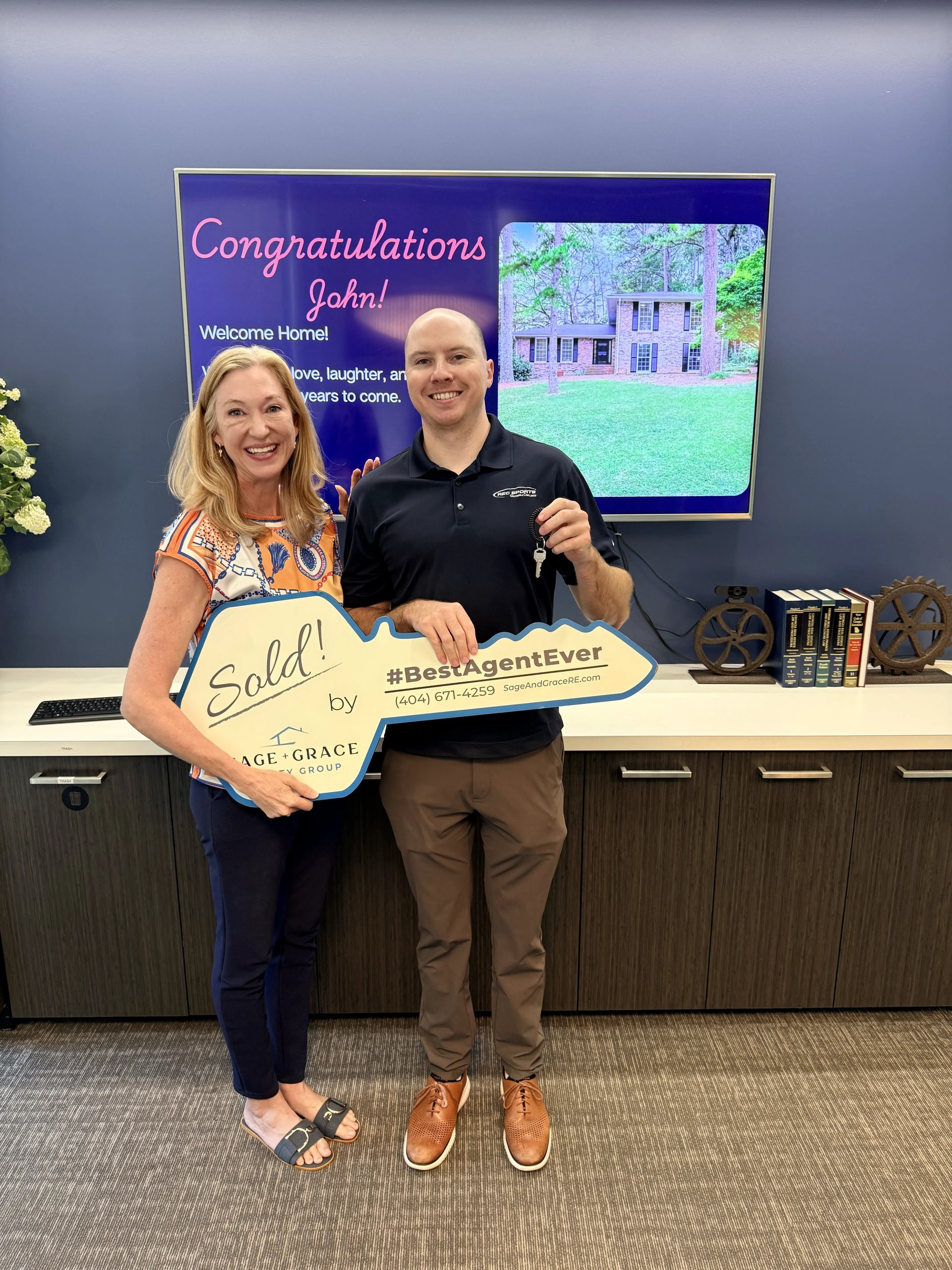
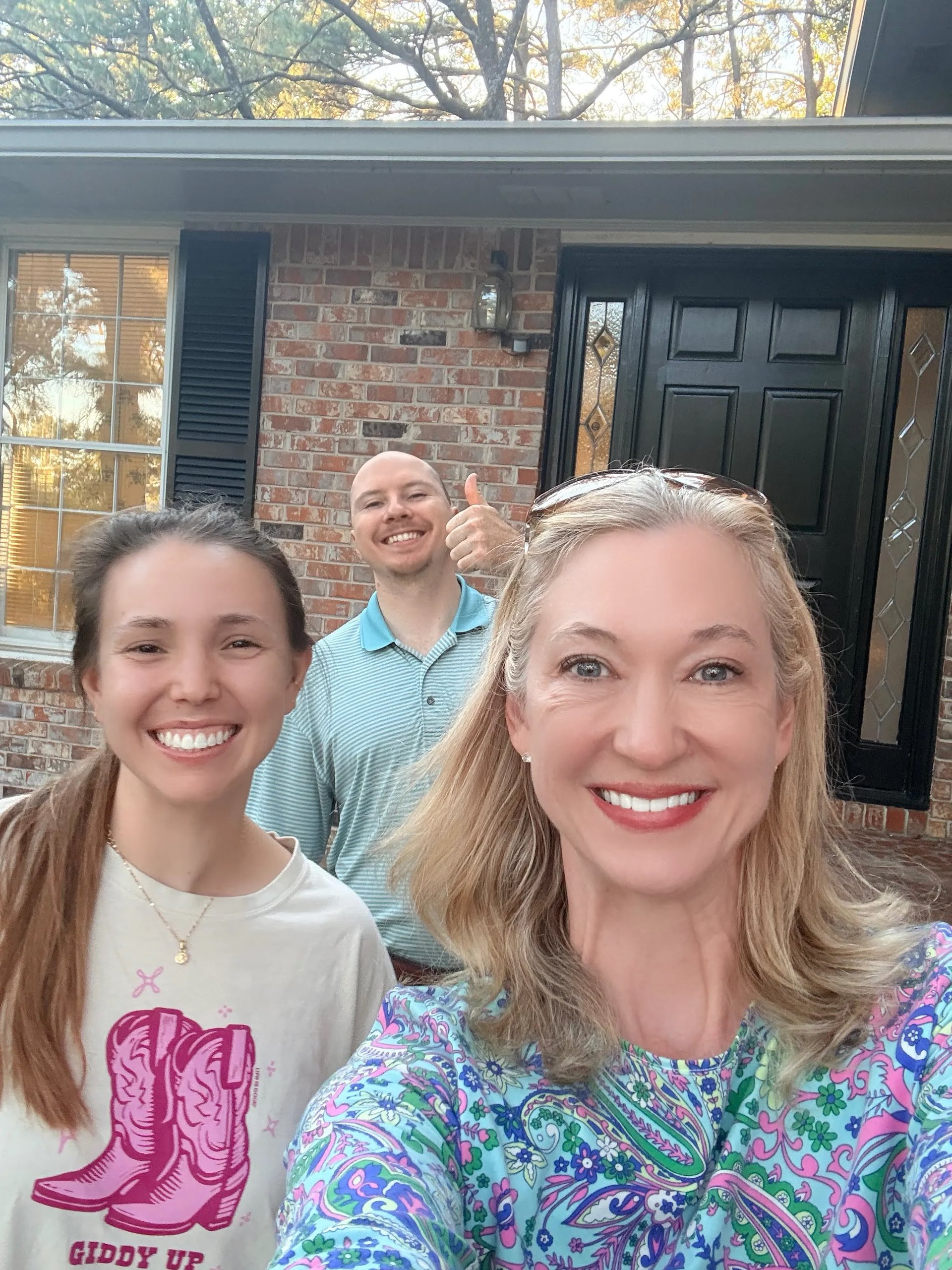
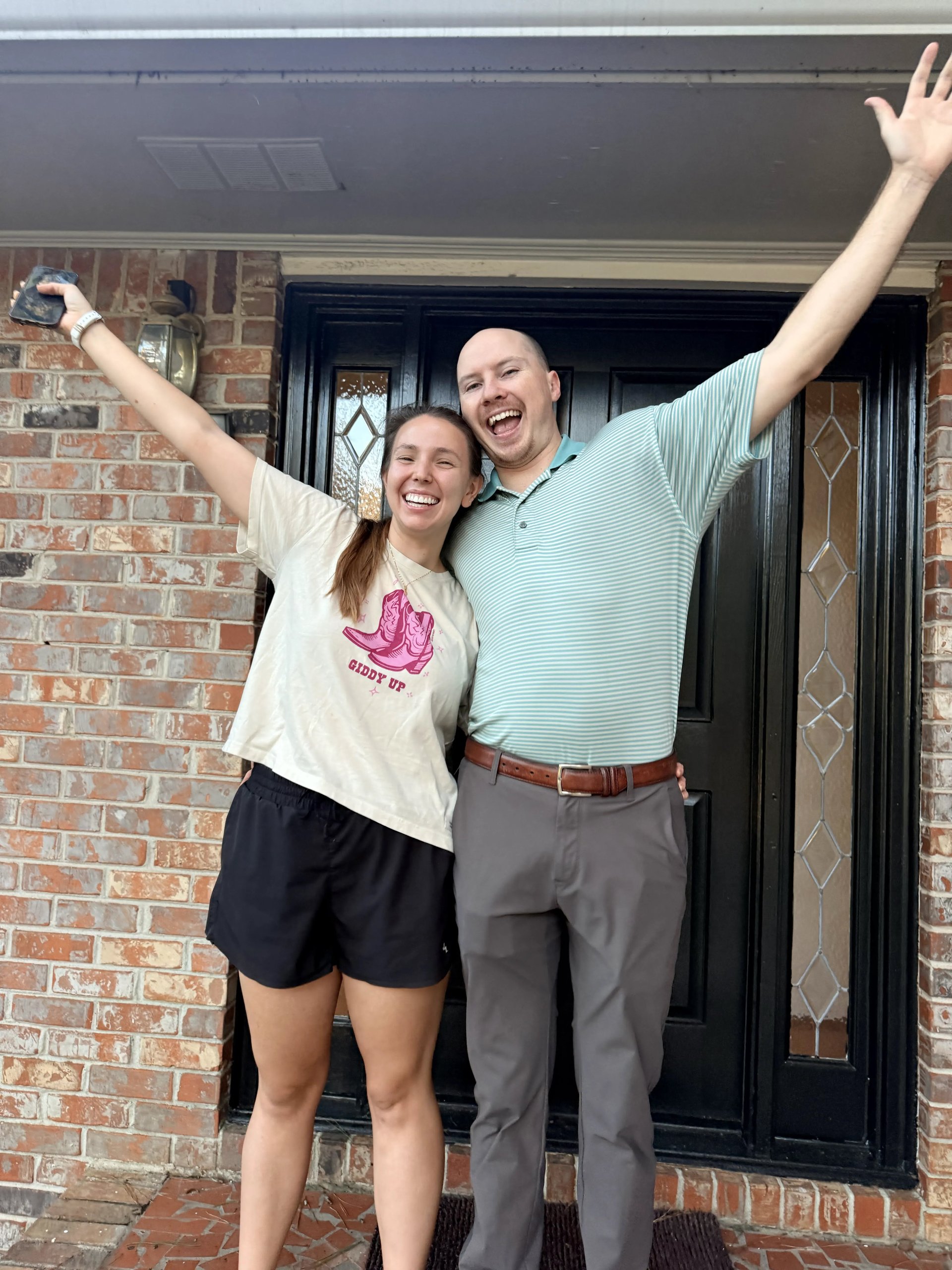
The photographs from closing day tell a happy story: a first-time homebuyer, his fiancée, a home of their own and plenty of smiles.
What those photographs don't show is everything that happened before the keys changed hands.
For John R. and his fiancée, buying their home in Chamblee, Georgia, involved far more than finding a property they liked. They navigated competing interests during price negotiations, uncovered unexpected repair concerns, reconsidered their financing arrangements and worked through unusual contractual and banking complications shortly before closing.
At every stage, they had decisions to make.
And that is what makes this Atlanta real estate success story worth sharing.
The right real estate representation is not simply about finding a house. It is about having the information, strategy and professional guidance to make confident decisions, especially when circumstances change.
For John, that difference became especially clear after closing.
"Switching to Judy was awesome. Took care of everything. Communication was incredible. So she really helped us out, and being a first-time homebuyer answered a lot of good questions."
John R., first-time Atlanta homebuyer
Finding Potential Where Others Might See Problems
John and his fiancée weren't looking for a perfectly renovated showpiece.
They wanted a home in a location they loved, with a layout that suited their lives and the potential to make it their own over time.
The opportunity they pursued was a 1967 home in Chamblee, near Brookhaven, that wasn't actively listed in the Multiple Listing Service (MLS) when they began negotiating.
The home had considerable appeal: a beautiful lot, a traditional floor plan, an established neighborhood and a location the couple knew well.
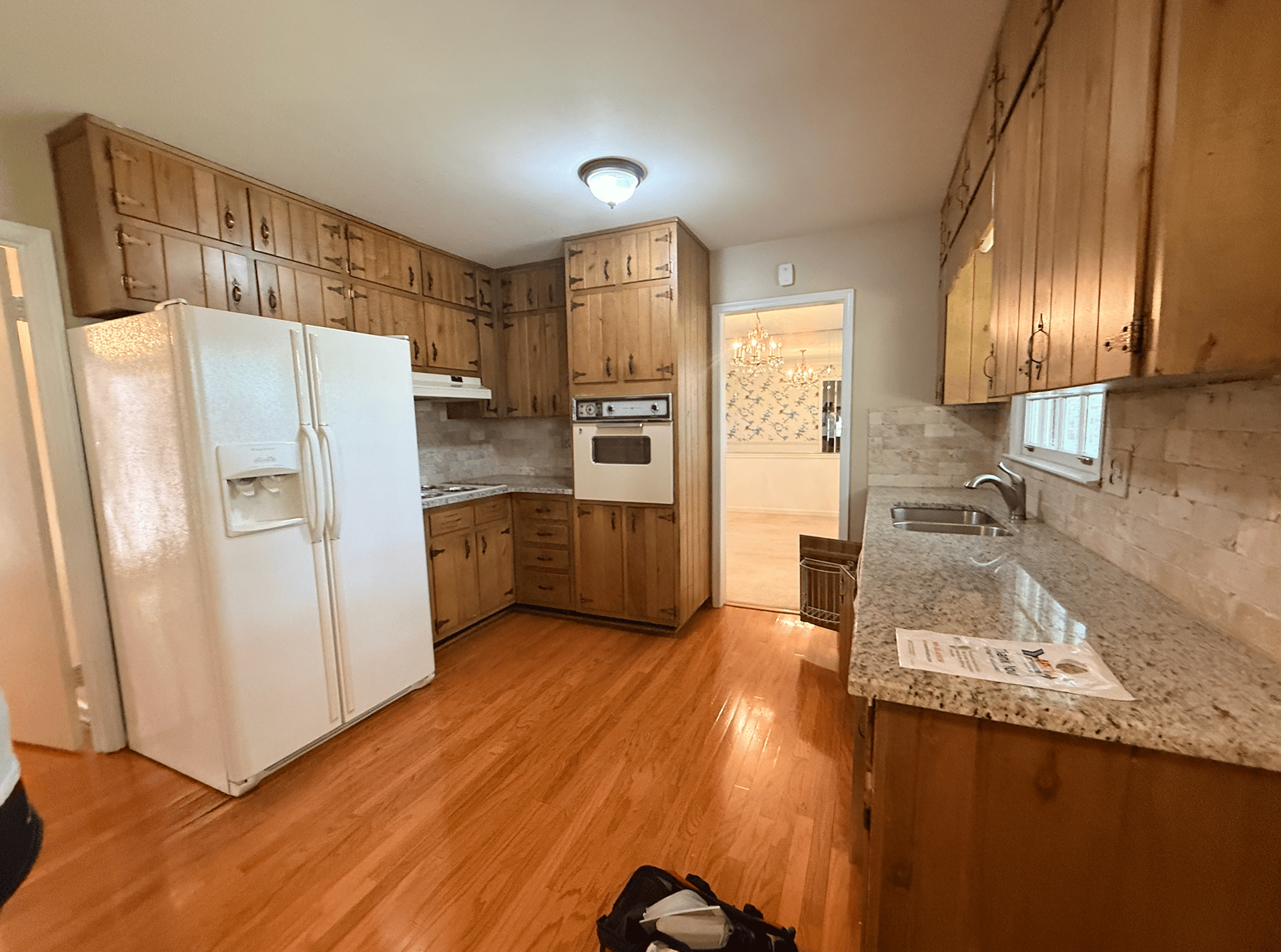
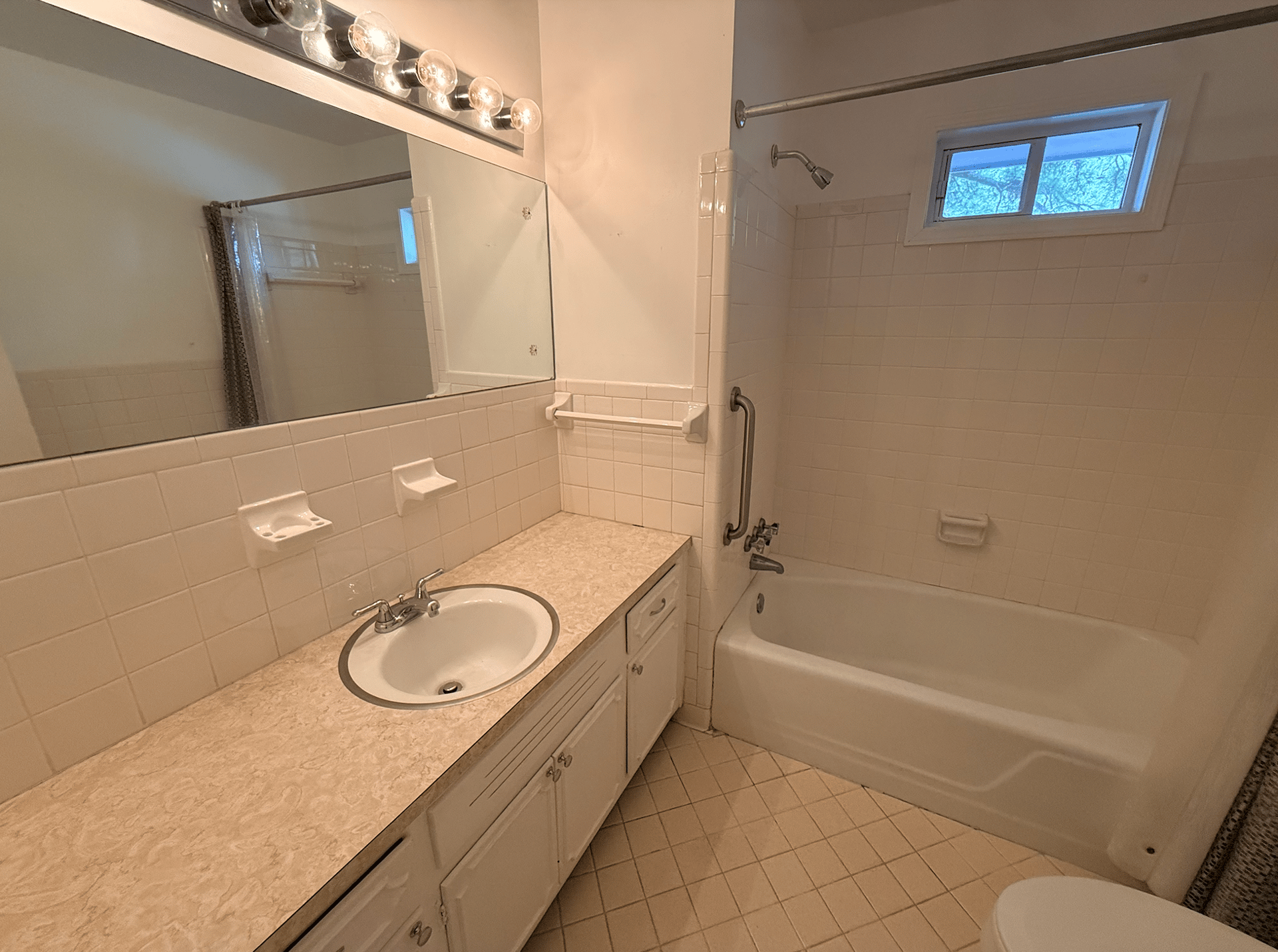
It also had original bathrooms, a dated kitchen and plenty of cosmetic improvements waiting to be made.
For some homebuyers, that combination would be an immediate rejection.
For John and his fiancée, it was an opportunity.
They liked the idea of eventually renovating the kitchen and bathrooms according to their own preferences rather than paying for updates someone else had chosen.
But recognizing potential and determining whether a home is a sound purchase are two different things.
A dated home isn't necessarily a bad investment. And a beautifully renovated home isn't automatically a good one.
The important questions are whether the property meets the homebuyers' needs, what condition it is actually in and whether the purchase terms make financial sense.
Those questions shaped the strategy from the beginning.
How Much Should You Offer on a Home? Start With Evidence, Not Emotion.
One of the most consequential decisions in any home purchase is determining how much to offer.
In this transaction, the home seller had a higher value in mind than John and his fiancée were initially prepared to offer.
That difference was understandable.
Home sellers naturally want to protect the value of their property and may be reluctant to agree to a lower offer without first seeing what the market will support.
The homebuyers, meanwhile, didn't want to overpay for a property that still needed substantial updating.
Rather than treating the negotiation as a contest of opinions, Judy Jernigan, founder of Sage & Grace Realty Group at The Agency Atlanta, developed a detailed market analysis to help her clients understand the property's fair market value.
 Looking beyond comparable home sales
Comparable sales were the starting point.
Judy examined recently sold homes with similar characteristics, including location, size, age, condition and features.
But she didn't stop there.
She also studied the local absorption report and the competitive landscape within that specific area and price range.
That meant considering:
- How many comparable homes were currently available
- How many had sold in recent months
- How quickly homes were going under contract
- How much inventory remained relative to the pace of sales
- How market activity typically changed with the seasons
Judy also examined ten years of historical market data to understand the seasonal slowdown that traditionally occurs during that time of year.
Why does that matter?
Because the leverage a homebuyer or home seller has in March may look very different in October, even for the same property.
An absorption report helps reveal how quickly the market is consuming the available supply of homes. Months of inventory offers another perspective on the balance between supply and demand.
Together, these measures provide important context for negotiating.
For another example of how detailed research can influence real estate decisions, read The Condo We Did Not Neutralize and the HVAC Repair It Did Not Need, a Sage & Grace case study about pricing, preparation and informed decision-making.
Negotiating with a clear understanding of value
Armed with that information, John and his fiancée could negotiate with greater confidence.
There was considerable back-and-forth.
They ultimately agreed to pay more than their initial offer, but less than the home seller had hoped to receive.
Most importantly, the agreed terms were below Judy's assessment of fair market value based on the available evidence.
The value of that research became even more apparent after the home was under contract.
The listing agent subsequently reported receiving backup offers, including one significantly higher than the price John and his fiancée had negotiated.
That didn't change the agreement, but it reinforced the importance of having done the valuation work before negotiating.
The goal isn't necessarily to negotiate the lowest imaginable price. It's to understand the property's value and make a decision supported by the market.
That principle applies whether you're purchasing your first home in Chamblee, moving into a larger home in Brookhaven or evaluating a property in Buckhead or Sandy Springs.
 What Does Buying a Home As-Is Mean in Georgia?
The next major decision involved the home's condition.
John and his fiancée knew from the beginning that the property was being sold as-is.
They expected maintenance and improvements. They understood that the original kitchen, bathrooms and other dated finishes were part of what they were purchasing.
And they understood that the home seller did not intend to make repairs or offer further concessions.
That's an important expectation for anyone considering an as-is home purchase.
When a property is being sold as-is, homebuyers should not assume that inspection findings will lead to additional repairs or concessions from the home seller.
But buying as-is doesn't mean buying without investigating.
 Why Georgia's due diligence period matters
In many Georgia residential purchase contracts, the parties negotiate a due diligence period.
Depending on the agreement, this gives the homebuyer time to conduct inspections, investigate the property and decide whether to proceed. Under the standard due diligence option, the homebuyer generally has a contractual right to terminate during that period by providing proper notice before the deadline.
For John and his fiancée, inspections were an opportunity to understand the home's condition and make a fully informed decision.
The inspection revealed issues that went beyond the cosmetic improvements they had anticipated.
Among the findings were active plumbing leaks, electrical safety concerns, a deteriorated HVAC flue and elevated radon.
Rather than treating every inspection finding as equally serious, Judy helped the homebuyers separate normal older-home maintenance from conditions requiring more immediate professional attention.
Qualified contractors were brought in to evaluate specific concerns and provide estimates.
That gave John and his fiancée something much more useful than an intimidating inspection report.
They had a clearer understanding of the risks, the likely work involved and the choices available to them.
Georgia buyers facing unexpected inspection findings should also understand their contractual termination rights. Judy explains those in What Happens If a Georgia Buyer Terminates During Due Diligence?.
What happens when a home inspection finds elevated radon?
One important discovery was an elevated radon reading.
Radon is an invisible, odorless radioactive gas that can enter homes through the ground. The EPA recommends mitigation when a home's radon level is at or above 4 picocuries per liter.
The reading at this property exceeded that action level.
Instead of allowing an unfamiliar issue to create unnecessary panic, Judy helped the homebuyers obtain a professional mitigation estimate and understand that elevated radon can generally be addressed with an appropriate mitigation system.
The larger lesson is that an unexpected inspection finding doesn't automatically mean a home is no longer worth purchasing.
It means the problem deserves careful evaluation.
For more guidance, read How to Handle Home Inspection Negotiations in Brookhaven and North Atlanta.
 Can You Negotiate After a Home Inspection on an As-Is Property?
Sometimes. But the home seller is not obligated to agree.
That distinction was especially important in this transaction.
John and his fiancée had entered the agreement knowing the home seller's position. They were not expecting a newly renovated home, and they weren't asking the seller to pay for cosmetic changes they had already anticipated.
However, the inspections identified several significant conditions that neither side may have fully appreciated when the original contract was negotiated.
Working with her clients, Judy developed a carefully documented request addressing only a portion of the most important unexpected costs.
She presented the contractor information, explained the findings and approached the negotiations with an understanding of the home seller's original position.
Rather than demanding a comprehensive list of repairs, the homebuyers offered to take responsibility for coordinating and completing the work themselves.
The negotiations ultimately resulted in additional assistance from the home seller, including help related to the radon mitigation.
Why a home seller might reconsider an as-is position
This is an important lesson for Atlanta home sellers as well.
A home seller who has already negotiated a satisfactory contract may understandably prefer to make no additional concessions.
But once inspections reveal unexpected conditions, the home seller faces another decision.
Would a limited concession help preserve a qualified homebuyer who has already completed inspections and understands the property?
Or would returning to the market create a better outcome, after accounting for the additional time, uncertainty, carrying expenses and possibility that another homebuyer might raise similar concerns?
There is no universal answer.
The right response depends on market conditions, the contract, the seriousness of the findings and the alternatives available.
This is where thoughtful negotiation can make a real difference.
Rather than turning an inspection disagreement into a personal dispute, the goal is to identify a workable solution supported by evidence.
Judy explores this subject further in her podcast episode, Boost Buyer Interest With Seller Concessions, part of How to Sell Your Atlanta Home with Sage & Grace.
For a closer look at what happens when a contract ends rather than moving forward, see Can a Seller Keep Earnest Money After a Contract Falls Apart in Georgia?.
 When Financing Plans Change, Good Advice Matters Even More
The inspections weren't the only complication.
As the purchase moved forward, John and his fiancée also reconsidered their financing strategy.
They had originally explored traditional institutional financing, but an alternative private lending arrangement within the family ultimately became a more attractive option for their circumstances.
Family financing can sometimes provide advantages for both parties.
A homebuyer may be able to borrow on more favorable terms than those available through a traditional lender, while the person providing the funds may receive a return that better meets their financial goals.
These arrangements require careful legal documentation and appropriate financial and tax guidance. They are not suitable for every family or transaction.
In this case, the change introduced another set of details to coordinate with the closing professionals.
For John and his fiancée, the important outcome was having a financing arrangement that suited their circumstances while keeping the purchase moving forward.
Getting Under Contract Wasn't the Finish Line
Even after the inspection issues and financing arrangements had been addressed, this transaction wasn't finished presenting challenges.
Two declared states of emergency created questions about contractual closing deadlines.
Judy recognized the relevant emergency-related provisions in the Georgia purchase agreement and worked through the contractual implications, communications and available options.
These weren't abstract legal questions.
The answers could affect the timing of closing and the parties' expectations.
Then another complication arose.
Shortly before closing, John's bank declined his initial request to wire a substantial portion of the funds needed for the purchase.
That created a logistical obstacle because the closing attorney required funds to be delivered by wire.
A mailed check was not necessarily an acceptable substitute and could create additional delays.
The parties had to work through the banking restrictions, funding requirements and closing arrangements to complete the transaction.
There is a lesson here that applies to real estate purchases and sales at every price point.
An accepted offer is a milestone. It isn't the finish line.
Contract deadlines, inspections, financing, title work, closing funds and last-minute complications can all affect a transaction.
Experienced representation means anticipating what can go wrong, recognizing problems early, involving the right professionals and keeping clients informed so they can make good decisions.
For homeowners coordinating two transactions, these issues can become even more complicated. Read another Sage & Grace case study: How to Sell and Buy a Home at the Same Time in Atlanta.
 The Story Behind the Referral: Why Relationships and Professional Integrity Matter
There's another part of this story worth sharing.
Long before John became a Sage & Grace client, his friend Mike had worked with Judy to purchase a home in the same neighborhood.
That was approximately five years earlier.
Mike had remained happy with his experience, and when John began looking for a home, he recommended Judy.
Today, Mike and John are neighbors.
But John didn't call Judy immediately.
He initially chose to work with another real estate agent whom he already knew.
Over time, he became dissatisfied with the level of communication and service he was receiving. As he later explained in his closing-day testimonial, things hadn't been going as he hoped.
When John approached Judy, there was an important professional consideration.
He still had an existing brokerage relationship on paper.
Judy was careful not to interfere with that relationship or begin advising someone who was contractually represented by another brokerage.
She made sure John addressed the existing agreement with his former agent and brokerage before she began representing him.
That wasn't simply a formality.
Professional integrity is part of good representation, even before a client relationship begins.
Once John had properly ended the earlier relationship, he and his fiancée began working with Judy.
And the difference in communication became one of the things John most appreciated.
"Had a realtor previous to Judy who wasn't working out, and then switching to Judy was awesome. Took care of everything. Communication was incredible."
John R., closing-day video testimonial
Why experience should feel different to the client
A homebuyer or home seller doesn't always know what excellent representation looks like until they have something to compare it with.
The difference may be the quality of the market analysis, the thoroughness of the preparation, the frequency and clarity of communication or the willingness to investigate a complicated issue instead of simply forwarding an email.
John experienced that difference throughout his purchase.
Judy has heard similar feedback from Atlanta home sellers who previously worked with another agent without achieving the result they wanted.
In one particularly memorable case, a Midtown condo had been on the market for 416 days without selling.
After the previous listing expired, the home seller hired Judy.
Judy researched the competition, identified presentation and marketing weaknesses, developed a new strategy and worked closely with the home seller to prepare the property.
The home went under contract on its first day back on the market, without lowering the asking price.
Read that case study: 1 Year Without a Buyer... Judy Got It Sold in 1 Day.
Different clients. Different circumstances. But an important common theme.
Exceptional real estate representation requires more than access to listings or marketing platforms.
It requires knowledge, preparation, judgment, follow-through and a genuine commitment to serving the client's interests.
 What This Atlanta Home Purchase Teaches Homebuyers and Home Sellers
John and his fiancée didn't need someone to tell them that buying a home was a good idea.
They needed accurate information, thoughtful guidance and a professional who could help them evaluate each decision as the circumstances evolved.
They recognized a promising home that needed work.
They evaluated its value against comparable properties and local market conditions.
They investigated unexpected inspection findings and made informed decisions about which issues mattered.
They pursued a financing strategy suited to their needs.
And they worked through contractual and closing complications without losing sight of their goal.
Their successful closing was the outcome of many thoughtful decisions, not one lucky break.
For Atlanta home sellers, the same principles apply. Pricing, preparation, market interpretation, negotiations, inspections and contract management all influence the final outcome.
In Brookhaven, Buckhead, Sandy Springs, Chamblee, Dunwoody and throughout North Atlanta, Judy Jernigan and Sage & Grace Realty Group bring that same combination of sage advice, careful research, strategic judgment and gracious service to every client relationship.
Judy's philosophy is grounded in education.
Her goal is for clients to understand not only what she recommends, but why, so they have the confidence and information to make decisions that are right for them.
For more real examples of these strategies in action, explore the Sage & Grace Realty Group client case studies.
 What John Said After Closing
After everything they had navigated together, John summed up his experience on video at the closing table.
"Judy, the best."
"Took care of everything. Communication was incredible."
John R., first-time Atlanta homebuyer
Those words speak to more than a successful closing.
They reflect what it means to have a knowledgeable, accessible professional who takes ownership of the details and remains engaged through the very end.
And they illustrate why a referral from a satisfied client can mean so much.
Mike trusted Judy with his home purchase years earlier. When his friend needed guidance, he recommended her.
John took that recommendation, made informed decisions throughout his purchase and became a homeowner himself.
That's the kind of lasting relationship Sage & Grace Realty Group works to build.
When You're Thinking of Moving, Start With a Conversation
Whether you're buying your first home, moving into a larger home in Brookhaven, preparing to sell a property in Buckhead or considering your next move in North Atlanta, you deserve professional guidance tailored to your goals.
You deserve someone who will research the market, explain your options, anticipate challenges, negotiate strategically and communicate clearly.
Schedule a real estate strategy conversation with Judy Jernigan
Or call or text 470-693-7915 to connect with Judy and the Sage & Grace team.
And who do you know with real estate questions? Someone thinking about buying, selling or making a move?
Many of Judy's clients come from introductions by people she's helped before. She would be grateful for the opportunity to provide the same thoughtful guidance to someone you care about.
Helping you move forward with sage advice and grace.
Judy Jernigan
Founder and Team Lead, Sage & Grace Realty Group
The Agency Atlanta