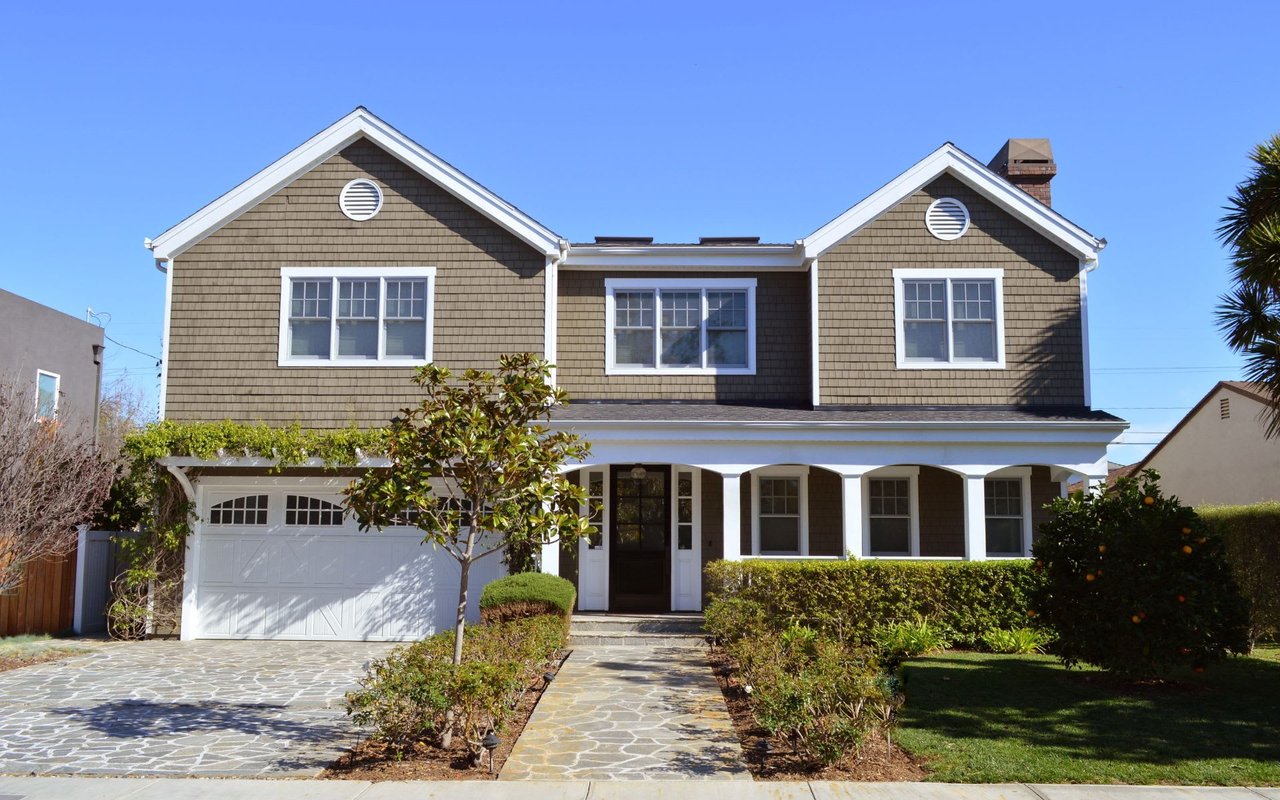
What’s going on right now with roofs, homeowners insurance, home buyer closing issues.
What is going on right now with roofs, homeowners insurance, and home buyer closing issues in Brookhaven, Buckhead, and North Atlanta?
If you are thinking, “I need to sell my home,” roofs and homeowners insurance need to be part of your strategy earlier than they used to be. In Brookhaven, Buckhead, Sandy Springs, Chamblee, Dunwoody, and North Atlanta, roof age, insurance availability, lender requirements, and inspection negotiations can all affect whether a contract closes smoothly.
Why roofs and insurance are showing up more often in real estate conversations
For years, many home sellers thought about the roof mostly as an inspection item. A home buyer would inspect the property, the inspector would comment on the roof, and the parties would negotiate repairs, credits, or price adjustments.
That still happens. But right now, the roof can also affect the home buyer’s ability to secure homeowners insurance, and homeowners insurance can affect whether the lender allows the buyer to close.
That is why Judy Jernigan and Sage and Grace Realty Group are advising home sellers to think about roof documentation before going live, not after the inspection report lands. When you are selling a home in Buckhead or preparing a Brookhaven listing near Ashford Park, Historic Brookhaven, Brookhaven Fields, Pine Hills, Lynwood Park, or Drew Valley, the condition, age, and documentation of your roof may influence buyer confidence, offer strength, and closing certainty.
This is especially important for North Atlanta luxury homes, where home buyers are comparing not only design, schools, location, and lifestyle, but also the risk of expensive post-closing surprises.
What home sellers need to understand about roof age
The issue is not always whether the roof is actively leaking. Sometimes the issue is whether an insurance company is comfortable writing a new policy on the home.
A roof can look acceptable during a showing but still raise questions if it is older, has visible patches, has missing shingles, has prior storm damage, has heavy tree coverage, or lacks clear documentation. In neighborhoods with mature trees, such as Brookhaven, Buckhead, Dunwoody, and Sandy Springs, roof condition can be especially important because tree limbs, debris, shaded roof surfaces, and drainage patterns may create more scrutiny.
Common roof-related questions that may come up include:
- How old is the roof?
- Who installed it?
- Was it permitted?
- Are there transferable warranties?
- Has there been storm damage or an insurance claim?
- Are there active leaks or prior repairs?
- Is there documentation from a licensed roofer?
If you do not know the answers, that does not automatically mean there is a problem. It does mean you should gather the facts before listing. Sage and Grace Realty Group’s pre-listing home seller guide is especially useful because it helps you think through repairs, preparation, documentation, and timing before your home reaches the market.
Why homeowners insurance can affect closing
Most financed home buyers need acceptable homeowners insurance before the lender will clear the loan to close. That means an insurance problem can become a closing problem.
Here is the practical version: a buyer may love the home, get through inspection, and still run into a delay if the insurance company asks follow-up questions about the roof or exterior condition. In some situations, the buyer may need a different insurance quote, a roof certification, a repair commitment, or additional documentation before the lender is comfortable moving forward.
This does not mean every older roof will prevent a sale. It does mean older roofs need a smarter strategy.
In the Brookhaven real estate market, for example, you may see a 1950s or 1960s home in Ashford Park or Drew Valley with major renovations but an older roof. In Buckhead, you may see a luxury home near Chastain Park, Tuxedo Park, or Garden Hills with architectural shingles, slate, synthetic slate, metal roofing, or multiple rooflines that require more specialized review. In Sandy Springs and Dunwoody, larger lots and mature trees can raise practical questions about roof maintenance, gutters, drainage, and overhanging limbs.
The roof is not just a line item. It is part of the buyer’s risk calculation.
What home buyers are worried about
Home buyers are usually not trying to be difficult when they focus on the roof. They are trying to avoid walking into a large, immediate expense after closing.
In today’s market, home buyers are already managing higher monthly payments, insurance costs, property taxes, repair reserves, moving costs, and closing costs. When a roof concern appears late in the contract, it can feel financially overwhelming.
That is why preparation matters. A buyer who sees clear roof documentation early may feel more confident. A buyer who learns during underwriting that insurance is more complicated than expected may become anxious, request concessions, or reconsider the purchase.
What this means for home sellers in Brookhaven and Buckhead
If you are preparing to sell, you do not need to panic or automatically replace your roof. That would be an expensive and sometimes unnecessary overreaction.
You do need to know where you stand.
Before listing, consider these steps:
- Find roof records. Look for invoices, warranty paperwork, permits, insurance claim documents, and prior repair receipts.
- Ask a qualified roofer for a condition review. This can help identify small issues before they become contract problems.
- Trim obvious overhanging limbs when appropriate. This can improve curb appeal and reduce insurance concerns.
- Address visible maintenance issues. Missing shingles, lifted flashing, clogged gutters, and rotted fascia can make buyers nervous.
- Decide your negotiation position early. Know whether you are willing to repair, credit, adjust price, or sell as-is with documentation.
Judy Jernigan’s approach is to separate facts from fear. Some homes need pre-listing work. Some do not. The right answer depends on your price point, roof condition, competition, timing, and likely buyer profile.
If you are listing in Buckhead, Brookhaven, Sandy Springs, Chamblee, or Dunwoody, the strategy should reflect the specific market segment. A $650,000 home near Chamblee or Drew Valley may need a different plan than a $2.5 million Buckhead home near West Paces Ferry, Chastain Park, or Northside Drive.
What this means for home buyers
If you are buying, do not wait until the end of due diligence to think about homeowners insurance.
Once you are under contract, ask your lender and insurance agent what they need. If the roof is older or the inspection raises concerns, move quickly. Waiting can create unnecessary pressure near closing.
Home buyers should ask about:
- Insurance quote timing
- Roof age and condition
- Whether the policy is replacement cost or actual cash value
- Wind, hail, and deductible terms
- Whether any repairs are required before binding coverage
- Whether the lender has any property-condition concerns
This is where preparation can change the outcome. In Prepared Buyers Win: How We Secured the Right Home in Brookhaven’s Drew Valley, Sage and Grace Realty Group explains how clarity, timing, and strategy helped home buyers move decisively. That same mindset applies when insurance, inspections, and closing logistics are involved.
How this can affect negotiations
Roof and insurance issues often become negotiation issues because they affect buyer confidence and lender certainty.
Common negotiation paths include:
- The seller makes a repair before closing
- The seller provides a credit, when allowed by the loan program and contract terms
- The price is adjusted
- The buyer accepts the roof condition after reviewing documentation
- The parties agree to a licensed contractor estimate and negotiate from there
- The buyer terminates during due diligence if the risk feels too high
Not all credits are simple. Seller credits must comply with lender rules, contract terms, RESPA requirements, and Georgia real estate rules. If a credit is being discussed, your agent, lender, and closing attorney need to coordinate carefully. For more on this topic, review how RESPA impacts home sellers in Brookhaven and Atlanta.
Legal questions should go to a real estate attorney. Tax questions should go to a CPA. Broader cash-flow or investment decisions should go to a financial advisor. Your real estate agent can help you understand market strategy, contract implications, likely buyer response, and practical next steps, but those professional lanes matter.
Why market conditions matter
Roof and insurance issues do not exist in a vacuum. The same repair concern may play differently depending on the market.
In a low-inventory pocket of Brookhaven where updated homes are moving quickly, a buyer may be more willing to work through an issue. In a slower Buckhead price segment with more active competition, the same issue may give home buyers more leverage. In Sandy Springs, Chamblee, or Dunwoody, the outcome may depend heavily on price point, school district, commute access, renovation level, and how many comparable homes are available.
This is also why Sage and Grace Realty Group does not recommend a one-size-fits-all response. The right strategy for selling a home in Buckhead may not be the same as the right strategy for a Brookhaven bungalow, a Dunwoody traditional, a Sandy Springs estate, or a Chamblee townhome.
What Judy Jernigan recommends before you list
If you are planning to sell in the next few months, Judy Jernigan recommends a simple pre-listing risk review. The goal is not to make your home perfect. The goal is to identify issues that could hurt buyer confidence, slow closing, or create avoidable renegotiation.
That review should include:
- Roof age and available documentation
- Visible exterior maintenance
- Gutters, drainage, and fascia condition
- Known insurance claims or repairs
- Likely buyer financing types
- Comparable active listings and recent sales
- Price range and expected buyer expectations
The broader pricing and preparation plan should also connect to your timing, net proceeds, and next move. The Real Estate Selling Strategy Guide is a good starting point if you want to think through pricing, positioning, preparation, and negotiation before launching.
A real-world example of why preparation matters
When a home is clean, documented, and well-positioned, buyers usually have fewer reasons to hesitate. That does not guarantee a specific result, but it can reduce friction.
In The Power of Preparation, Sage and Grace Realty Group highlights how preparation and marketing worked together to create stronger buyer response. The lesson applies here: buyers make decisions with both logic and emotion. A roof concern affects both.
If the home feels well cared for, documented, and thoughtfully presented, buyers often feel more secure. If the home has deferred maintenance, vague answers, or late surprises, the same buyers may become more cautious.
“Judy helped me with the purchase of a new home in Tucker. She stayed on top of everything and kept me up to date on the offer and closing process.” — Cara
See more client stories
What not to do
Do not assume that every roof issue is a deal killer. That is usually not accurate.
Do not assume that every buyer will accept an older roof without concern. That is also not accurate.
Do not hide known problems. Georgia sellers should answer disclosure questions accurately and consult their broker or attorney when unsure. Hiding or minimizing material facts can create legal and ethical risk.
Do not wait until three days before closing to solve an insurance question. That creates stress for everyone and can put the contract at risk.
Do not offer improper incentives, undisclosed credits, or side arrangements. Keep all financial terms properly documented through the contract, lender, and closing attorney.
The bottom line
Roofs, homeowners insurance, and home buyer closing issues are now more connected than many people realize. If you want to sell my home with fewer surprises, you need to understand how roof condition, insurance underwriting, inspection strategy, and lender requirements work together.
For home sellers in Brookhaven, Buckhead, Sandy Springs, Chamblee, Dunwoody, and North Atlanta, the best move is to prepare early, document clearly, price realistically, and negotiate strategically. For home buyers, the best move is to ask insurance and lending questions early enough to solve problems before closing pressure builds.
Judy Jernigan, Sage and Grace Realty Group, and The Agency Atlanta help home sellers and home buyers evaluate these issues with a clear, local, practical strategy. When you are preparing to sell or buy in North Atlanta, contact Judy Jernigan for a property-specific plan that protects your timing, your confidence, and your bottom line.